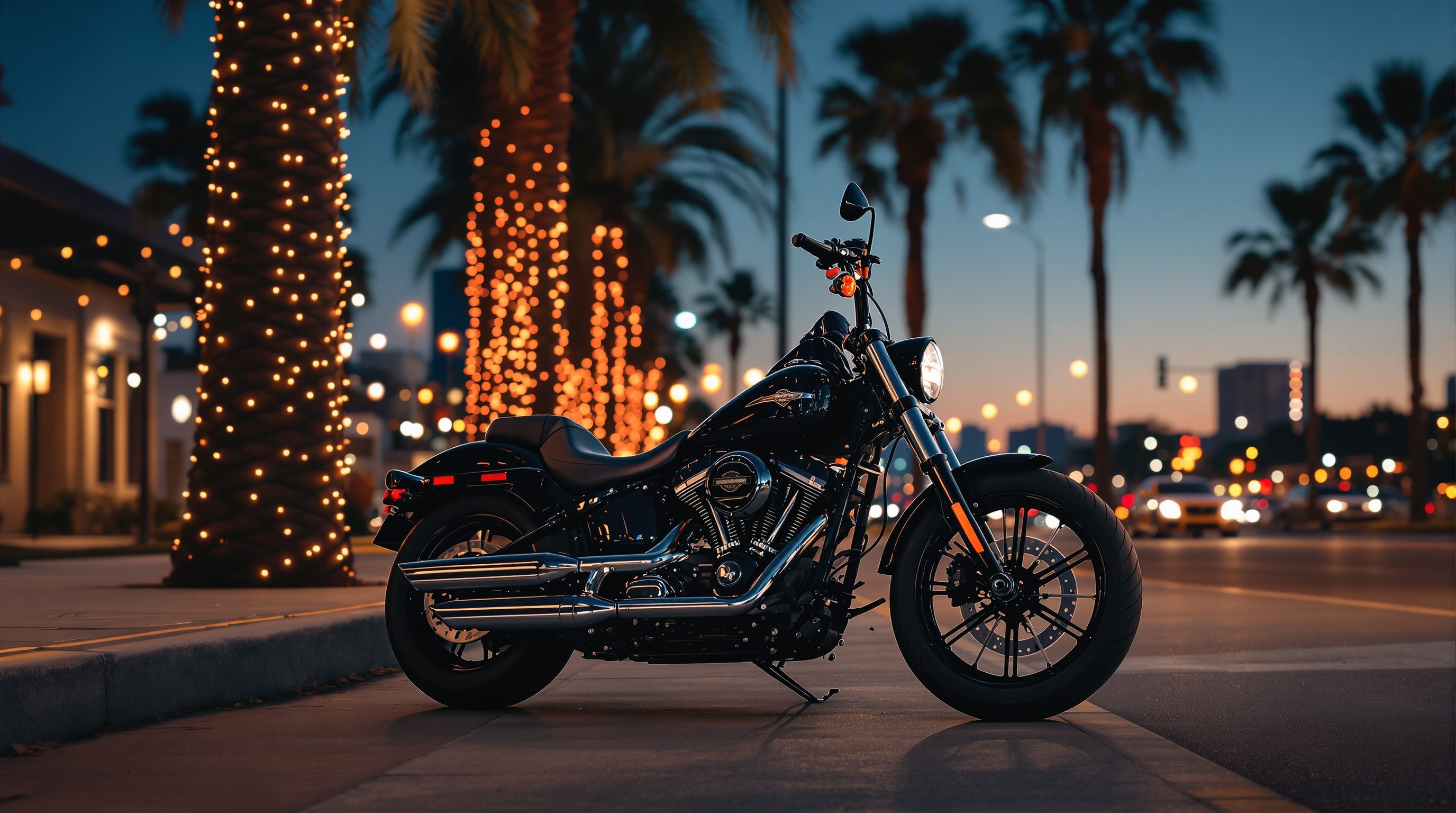
Holiday DUI Season in Orlando: When a Drunk Driver Hits a Rider
From the first office party in December through New Year's morning, Central Florida roads fill up with drivers who should not be behind the wheel. The I-4 Ultimate zone gets slammed, the 408 East-West Expressway backs up, and the two-lane runs out toward Mount Dora and through Lake County turn into a gauntlet after dark. On a bike there is nothing between you and the pavement when one of them drifts into your lane.
Why a Drunk Driver's Fault Helps Your Civil Case
A DUI arrest is criminal, between the driver and the state. Your injury claim is separate and civil, but the two feed each other. When the driver blows over the legal limit or fails field sobriety, that evidence lands in your case as powerful proof of negligence. A jury does not have to guess who caused the crash when the other driver was legally drunk. That matters even more under Florida's modified comparative negligence rule. Since the 2023 reform, if your share of fault tops 50 percent you recover nothing, and a drunk driver's blood alcohol reading pushes almost all the fault onto them.
Punitive Damages: The Extra Hit for Drunk Driving
Most crash claims pay for your losses: medical bills, lost wages, pain and suffering. Drunk driving cases can go further. Florida allows punitive damages, money meant to punish the driver, when conduct rises to gross negligence, and driving drunk is one of the clearest examples courts recognize. There is a second reason this matters. Florida normally caps punitive damages at the greater of three times your compensatory damages or $500,000, but when the driver was impaired by alcohol or drugs that cap comes off. A drunk driver's own choice exposes them to far larger punitive damages than an ordinary careless driver.
Florida's Narrow Dram Shop Rule
Riders often ask whether the bar that served the driver can be on the hook. In many states the answer is a broad yes. In Florida it is a narrow one. A business that sells alcohol is generally not liable just because a customer later caused a crash. There are only two real exceptions.
- ✓ Serving someone under 21. If the establishment willfully and unlawfully served alcohol to a minor who then caused your crash, it can be held liable.
- ✓ Serving a known habitual drunkard. If the business knowingly served a person it knew was habitually addicted to alcohol, that can also open the door.
- ✓ Everyone else. Outside those two situations, the drunk driver is almost always the only target, which makes finding every dollar of coverage the whole ballgame.
When the Drunk Driver Has No Insurance or Flees
Holiday DUI cases get frustrating fast. The driver who slams into you at 1 a.m. leaving a bar may carry no bodily injury coverage at all, because Florida does not require it. The state only mandates PIP and property damage liability, so a legally insured driver can still owe nothing toward your injuries. Worse, drunk drivers run, and a hit-and-run leaves you seriously hurt with no one to bill. Two hard Florida facts make this dangerous: PIP does not cover motorcyclists, so you get no PIP for your own bills, and there may be no bodily injury coverage on the other side to reach at all.
UM/UIM: Your Real Lifeline After a Holiday DUI
This is why uninsured and underinsured motorist coverage is the single most important policy a Florida rider can own. UM/UIM is coverage you buy on your own motorcycle policy, and it steps in exactly when the other side cannot pay. If the drunk driver had no bodily injury coverage, your UM responds. If the driver fled and was never identified, the hit-and-run is treated as an uninsured driver. If the driver had some coverage but nowhere near enough, UIM fills the gap between their thin limits and what your injuries are actually worth. Carry UM/UIM and a drunk driver's empty pockets do not have to mean an empty recovery.
Moe DeWitt and the Orlando motorcycle injury attorneys at DeWitt Law Firm represent riders hurt by negligent drivers. If you have questions after a crash, their team is here to help.