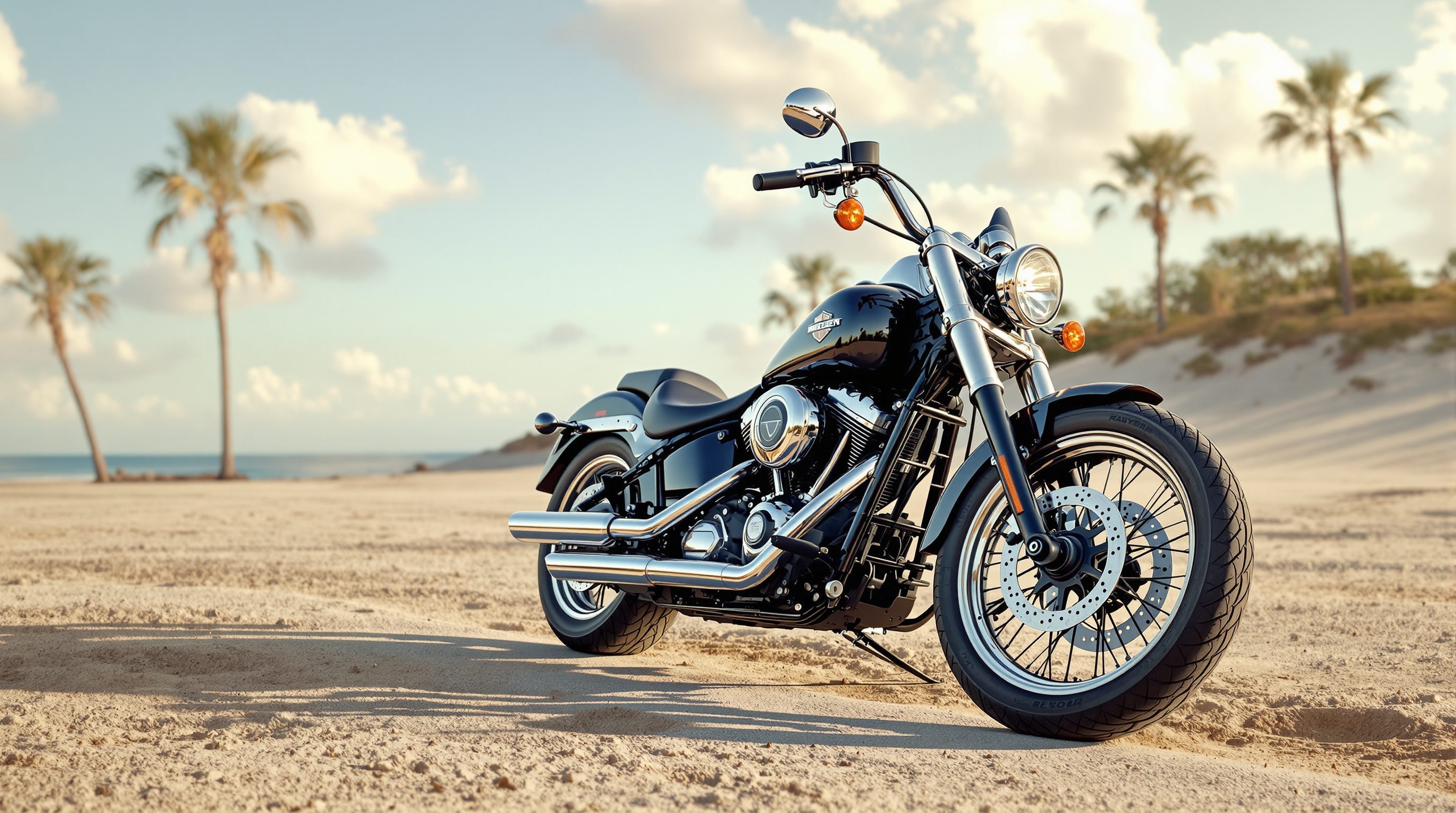
Riding to Daytona Bike Week From Orlando: A Rider's Safety and Legal Game Plan
Early March, and the whole state points north to Daytona. Bike Week is barely an hour from Orlando straight up I-4 to I-95, and for a few days the beach, Main Street, and every ribbon of asphalt between here and Volusia County fill with hundreds of thousands of riders. It is the best week of the year to be on two wheels in Central Florida, and statistically one of the most dangerous. The crowds bring out-of-state riders who do not know these roads, rental cars and RVs full of drivers gawking instead of watching, and a spike in impaired driving once the sun goes down. Getting there and back in one piece is not luck, it is a plan. Here is how to ride to Bike Week smart, and what Florida law means for you if a driver takes you down along the way.
Why Bike Week is more dangerous than a normal ride
The danger at Bike Week is not the event, it is the density. For a normal weekend ride out of Orlando you share the road with locals who at least half-expect motorcycles. During Bike Week the roads north fill with people who do not. You get out-of-state riders pushing hard on unfamiliar highways, tourists in rental cars drifting between lanes while they look for the beach, RVs and trailers with huge blind spots, and a crush of traffic funneling onto I-4, I-95, US-92, and Main Street all at once. Add long days in the sun, a few drinks that feel harmless, and the fatigue of a hundred-mile round trip, and the margin for error shrinks to nothing. The crash that ends a Bike Week is rarely exotic. It is the same left-turn, lane-change, and rear-end wreck that hurts riders every day, just packed into a week with far more cars on the road and far more impaired drivers after dark.
The run up I-4 and I-95
The ride to Daytona is short, which is exactly why people treat it casually. Do not. I-4 out of Orlando is one of the most congested and construction-choked interstates in the country, and the merge onto I-95 north funnels heavy, fast traffic into the same lanes you are trying to use. Ride the highway leg with real discipline: keep a big following gap, stay out of blind spots instead of parking in them, and pick a lane position that leaves you an escape route on both sides. Cars will change lanes without looking because the driver beside you is a tourist watching for an exit, not for a bike. The closer you get to the beach, the slower and more chaotic it gets, so leave early, plan your fuel stops, and never let the pack pressure you into a gap that is not really there.
Group-ride discipline and gear
If you are rolling to Daytona with a group, the group is only as safe as its worst habit. Ride like professionals and you all get home; ride sloppy and one rider's mistake takes down three.
- ✓ Stagger your formation, do not ride side by side. A staggered pattern gives every rider a full lane cushion and room to swerve. Side-by-side leaves nobody an out when the pack has to brake hard.
- ✓ Keep the group small and spaced. Break a big pack into groups of five or six with real gaps between them. A long, tight line invites cars to cut in and forces the back to play catch-up.
- ✓ Ride your own ride. Never let the group's pace push you past what you can see and stop for. The strongest rider sets a pace the weakest can hold safely.
- ✓ Gear up for the whole day, not the parking lot. Full DOT helmet, real jacket, gloves, and boots. March mornings on I-95 are cold and the afternoon sun is brutal, and gear is your only skin between you and the pavement.
- ✓ Zero alcohol on the bike. The party is off the bike. Impaired riding and impaired driving both spike during Bike Week, and a single drink erodes exactly the reaction time you need in that traffic.
Impaired and out-of-state drivers after dark
Bike Week nights are when the risk climbs hardest. The bars and beach crowds empty onto the same roads you are riding, and the impaired-driver hours collide with the exact routes riders use to get back toward Orlando. An impaired driver is the one who drifts a lane, misses a signal, or turns left across your headlight without ever registering you. On top of that, a big share of the drivers around you are from out of state, do not know the roads, and are not looking for motorcycles in the first place. Give yourself extra space late at night, treat every set of headlights as a driver who might not be all there, and if you have been at it all day, sleep in Daytona and ride home fresh instead of pushing a tired hundred-mile run in the dark.
What Florida law means when a driver hits you
Here is the part most riders never think about until it is too late. In Florida, personal injury protection does not cover motorcyclists at all, so if a driver puts you down, your own PIP pays nothing toward your medical bills or lost wages. Worse, Florida does not require ordinary drivers to carry any bodily-injury liability coverage, and during Bike Week a large share of the drivers around you are from out of state carrying who-knows-what. That is why uninsured and underinsured motorist coverage is the single most important line on your own policy. When an uninsured, underinsured, or out-of-state driver at fault leaves you hurt, UM/UIM is often the only real source of recovery you have. Since 2023, Florida also runs on modified comparative negligence with a 51 percent bar, meaning if you are found more than half at fault you recover nothing, and the deadline to file an injury claim is now two years, cut from four. Insurers know all of this, and after a Bike Week crash they will lean hard on the story that the rider was speeding, lane-splitting, or hard to see. Do not hand them that story. Get medical care first, then document the scene, the traffic, and the other driver's insurance while it is fresh.
Moe DeWitt and the Orlando motorcycle injury attorneys at DeWitt Law Firm represent riders hurt by negligent drivers. If you have questions after a crash, their team is here to help.