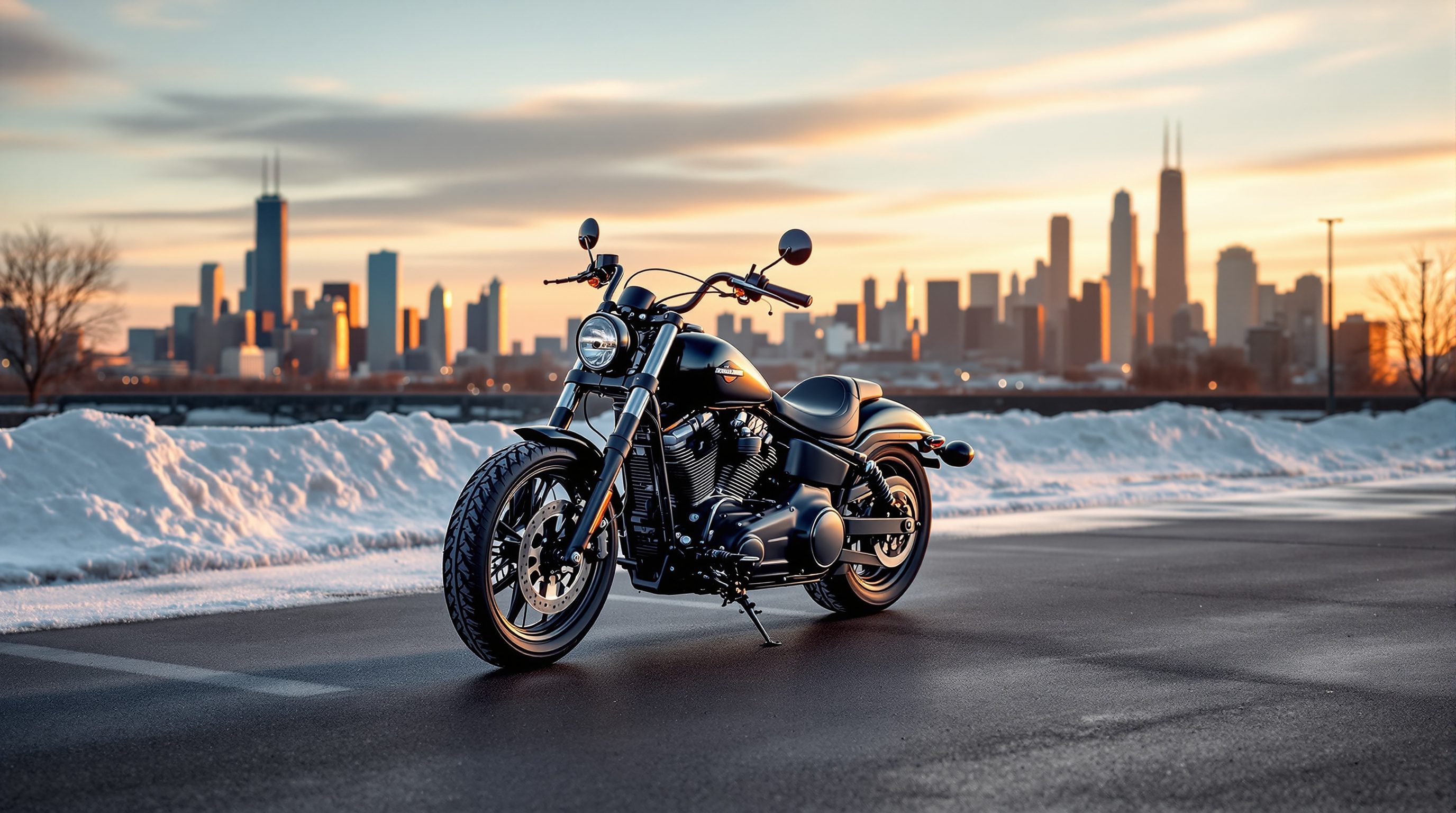
Who Pays Your Medical Bills After a Chicago Motorcycle Crash?
You go down on the Dan Ryan, the ambulance takes you to the trauma center, and within a week the bills start arriving. Surgery, imaging, physical therapy, the ride itself. The numbers are staggering, and the question that keeps you up at night is simple, who is actually going to pay for all of this? Here is the part that surprises most injured riders. The at-fault driver's insurance is usually the last to pay, not the first, so if you sit around waiting for their check before you get treated, you hurt both your body and your case.
The At-Fault Driver Pays Last, Not First
The instinct is understandable. The other driver caused the crash, so their insurance should cover your bills. But that is not how the timing works in Illinois. The at-fault driver's liability insurance generally pays once, in a single lump sum, at the very end, when your claim settles or a case resolves, and that can be many months or even years after the crash. Meanwhile your hospital wants to be paid now, and your treatment cannot wait for a settlement. So the bills get covered in the meantime by other sources, and only at the end does the at-fault driver's insurer reimburse the pot. Understanding that order is what keeps you from delaying care while you wait on a check that is a long way off.
First in Line: MedPay
The fastest money after a motorcycle crash is your own MedPay coverage. Medical payments coverage, if you carry it, pays your medical bills regardless of who was at fault, with no deductible and no waiting to prove the other driver did it. It typically runs $5,000 to $10,000, and it is designed to get bills paid immediately while the fault fight plays out. For a rider, MedPay is the first bucket to reach into.
- ✓ No fault required. MedPay pays whether the crash was your fault, the other driver's, or nobody's.
- ✓ No deductible, no delay. It kicks in fast, which matters when bills land within days.
- ✓ It is not enough on its own. A serious motorcycle injury blows past $10,000 quickly, so MedPay is the first source, not the only one.
Next: Your Health Insurance and the Liens That Follow
Once MedPay runs out, your own health insurance is the next line of defense, and you should absolutely use it. Some riders hesitate to run crash bills through their health plan, worried it is not allowed or that it will hurt their claim. It is allowed, and it does not hurt your claim. Your health insurance exists to pay for medical care, and a crash injury is medical care, so using it keeps you out of collections and keeps your treatment moving. The catch is that your health insurer will usually want its money back out of your eventual settlement. That is subrogation, and the claim is often a lien against your recovery. Your health insurer, and sometimes a hospital, can assert a right to be reimbursed out of the money you eventually collect from the at-fault driver. Handled right, every lien gets identified so no one double-dips, the amounts get negotiated down so more of the settlement stays in your pocket, and the math is done before you settle so you know what comes off the top. Getting you a settlement is only half a lawyer's job. Making sure the liens do not eat it is the other half.
Why You Never Wait to Get Treated
Put all of this together and the lesson is clear, get treated now and sort out payment later. Waiting to see a doctor because you are worried about the bill is the worst move you can make. First, your health depends on it, and some injuries get worse or become permanent when treatment is delayed. Second, your case depends on it, because gaps in treatment are the first thing an adjuster points to when they want to argue you were not really hurt. A clean, prompt treatment record is both good medicine and strong evidence. The bills have a path to get paid, from MedPay to your health insurance to the at-fault driver at the end, with the liens sorted along the way. You still generally have two years to pursue the at-fault driver in Illinois (735 ILCS 5/13-202), so there is no reason to trade your recovery for a check that can wait. Your job is to heal.
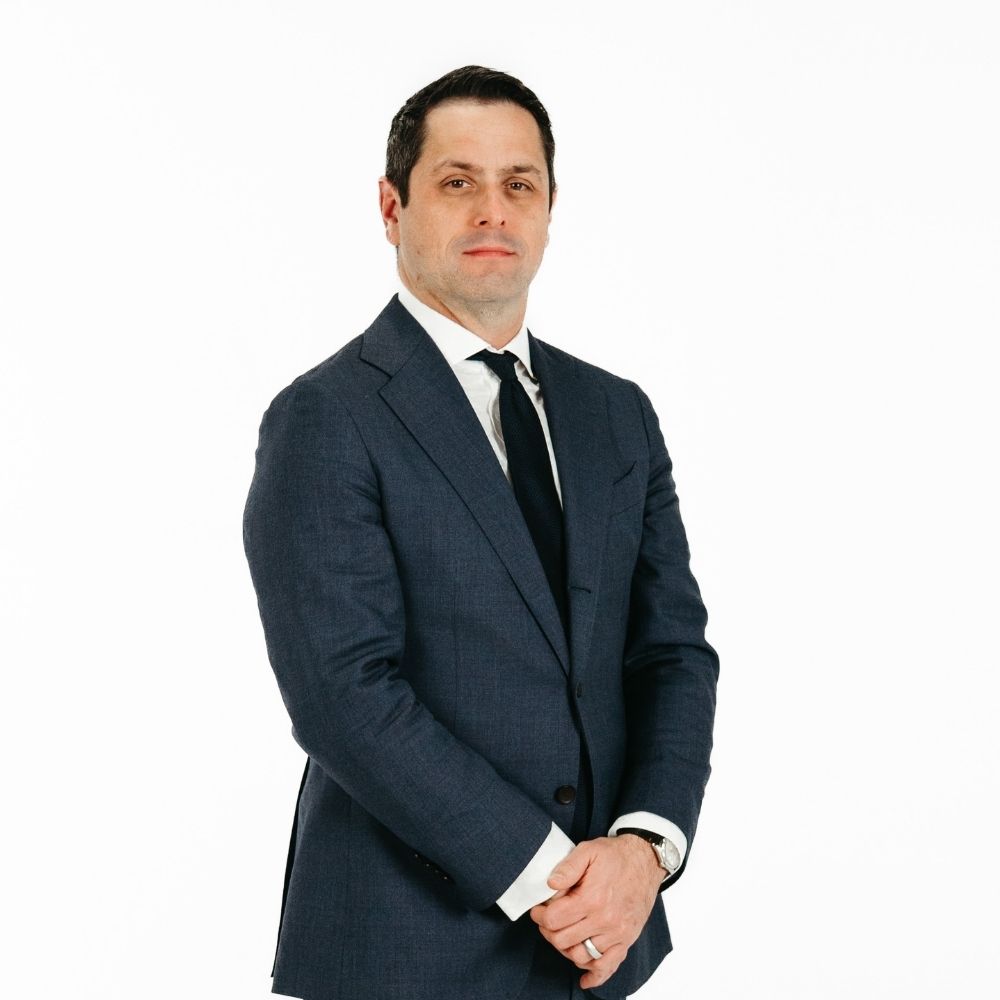
Derek Martin and the Chicago motorcycle accident attorneys at DDT Injury Team represent riders hurt by negligent drivers. If you have questions after a crash, their team is here to help.