Rideshare Crashes and Motorcyclists in Chicago: Who Pays When an Uber Hits You
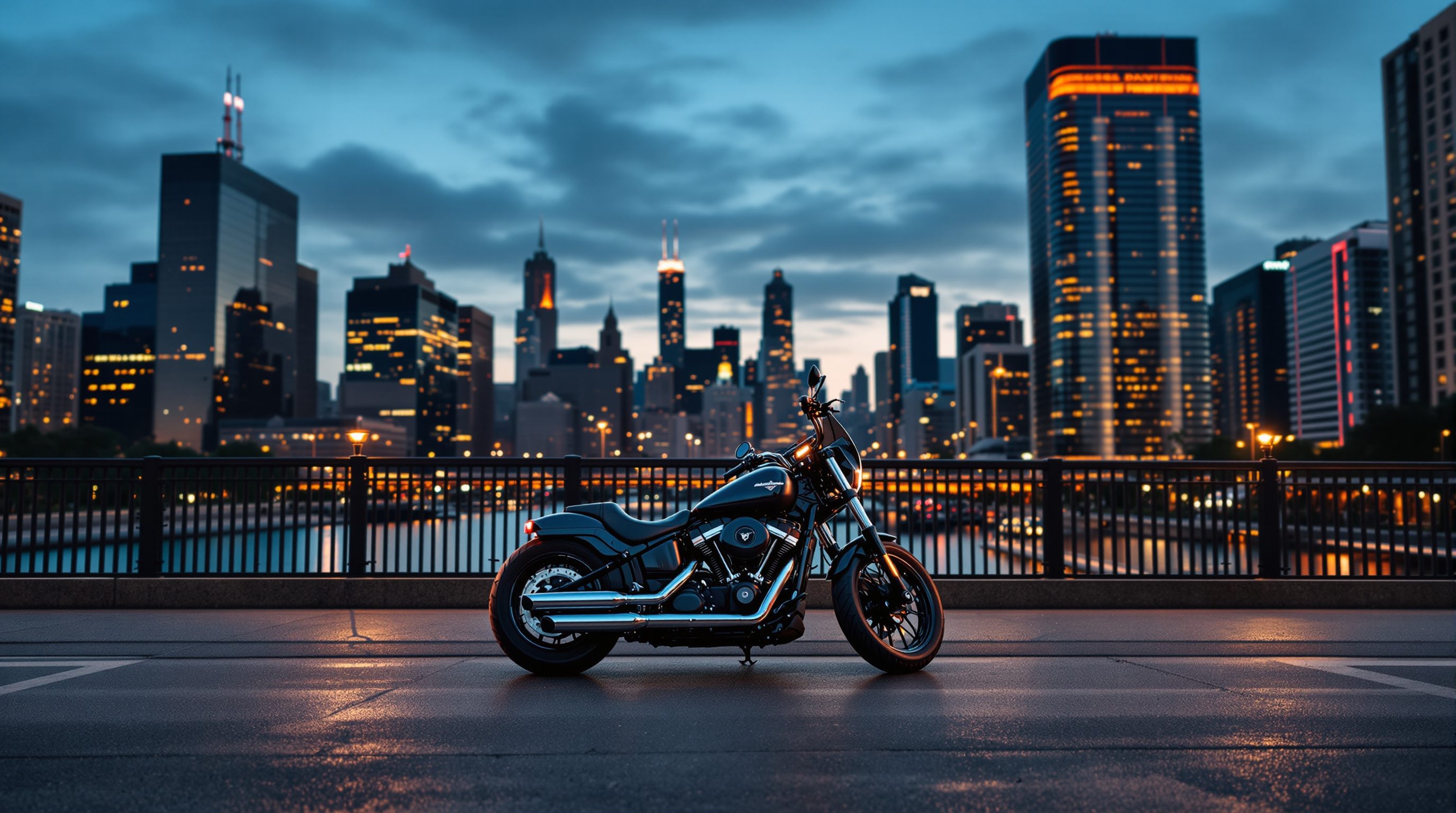
Downtown Chicago is thick with rideshare. On any given night, River North, the Loop, and the West Loop are crawling with Ubers and Lyfts stopping short, swinging to the curb, and cutting across lanes to grab a pickup. For a rider on two wheels that unpredictability is a real hazard, and a sudden lane change or a flung-open door from a distracted rideshare driver can put you on the pavement fast. The upside: when a rideshare driver hits you, there may be far more insurance money available than in a normal crash. The catch: whether it applies depends on exactly what the app was doing.
The Illinois TNC Law and Its Three Phases
Uber and Lyft are what Illinois calls Transportation Network Companies, governed by the Transportation Network Providers Act. That law sets required insurance based on what the driver was doing. When the app is off, the driver is a regular motorist and only their personal policy applies, and that policy may not even cover rideshare use. When the app is on but the driver is waiting for a ride, Illinois requires contingent coverage of at least $50,000 per person, $100,000 per crash, and $25,000 property damage. Once the driver has accepted a ride or has a passenger, the big policy kicks in at a minimum of $1,000,000. The same driver carries wildly different coverage depending on that phase, so nailing it down is the whole ballgame.
The Coverage Gap Nobody Warns You About
The trap is the "app on but waiting" phase. During that window the driver's personal policy often will not pay, because many personal auto policies exclude driving for hire, and the TNC's coverage is only the lower contingent limits, not the full million. A driver cruising downtown between fares is carrying far thinner protection than a passenger would ever assume. That is exactly why your own coverage matters: in Illinois, UM coverage is required and cannot be waived, and UIM lets you carry higher limits against a driver whose coverage falls short (215 ILCS 5/143a). When the rideshare coverage is thin, your UM/UIM can be the backstop that makes you whole.
Why These Claims Get Complicated Fast
A rideshare crash is not a simple two-car fender bender, and the insurers involved fight them for a reason. Building the case deliberately is what pins the right policy on the hook.
- ✓ Proving the app phase. The driver, the company, and their insurers all favor the phase that limits payout. Getting the trip data usually takes legal pressure.
- ✓ Multiple insurers pointing at each other. The personal insurer, the rideshare insurer, and any contingent coverage each argue the others owe. That finger-pointing stalls payment.
- ✓ The driver is an independent contractor. Rideshare companies structure drivers as contractors, not employees, to distance themselves from liability.
- ✓ Preserve proof the driver was working. Screenshots, the police report naming Uber or Lyft, and witness names are what later unlock the bigger coverage.
What to Do After a Rideshare Driver Hits You
Call the police and make sure a report is generated with the rideshare driver identified, then get medical attention and follow through, because gaps in care are the first thing an insurer uses to shrink your claim. Ask whether the driver was on the app and, if there was a passenger, whether a trip was active, and screenshot anything you can. Photograph the scene, the vehicles, the app if visible, and your injuries, and collect witness contacts. Do not give a recorded statement to any insurer or accept a fast settlement before you understand which coverage applies, because early lowball offers are common in these cases. The single most valuable thing you can do is preserve proof that the driver was working and figure out the app phase, because that is what unlocks the coverage.
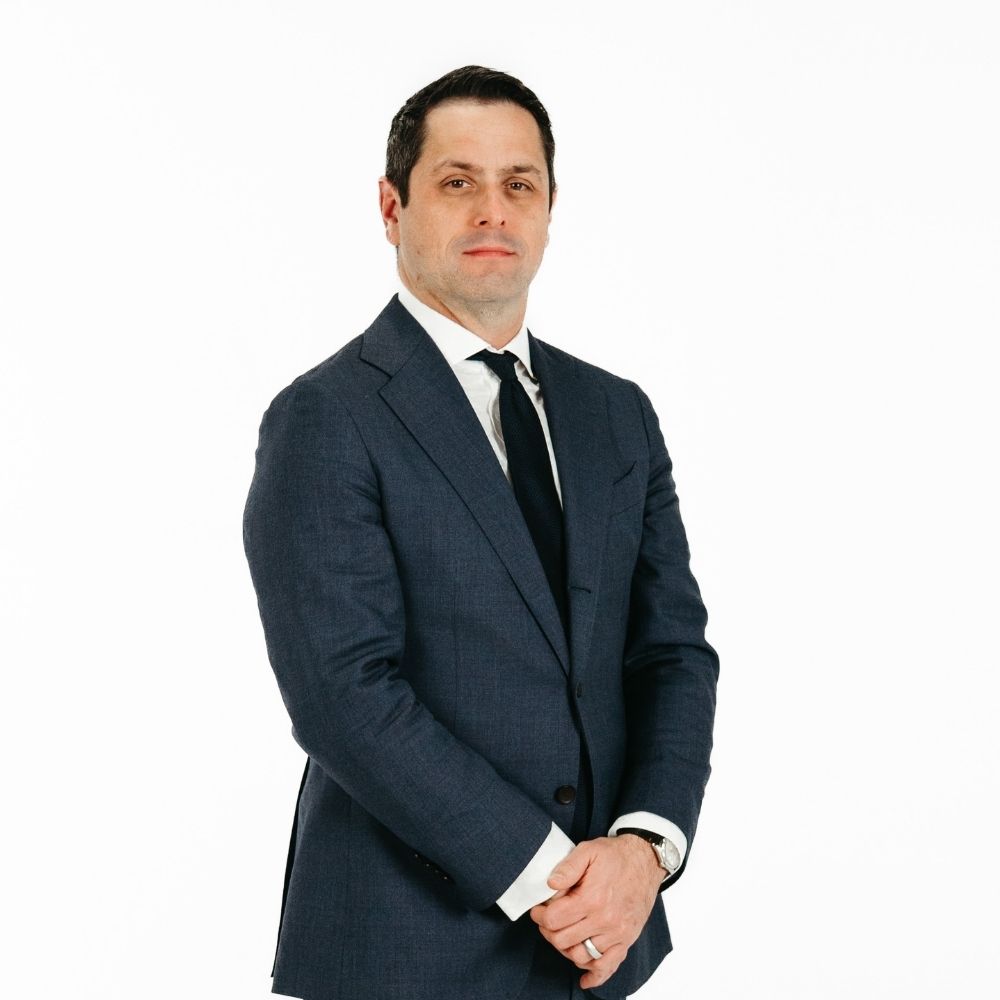
Derek Martin and the Chicago motorcycle accident attorneys at DDT Injury Team represent riders hurt by negligent drivers. If you have questions after a crash, their team is here to help.