Holiday DUI Season in Illinois: When a Drunk Driver Hits a Rider
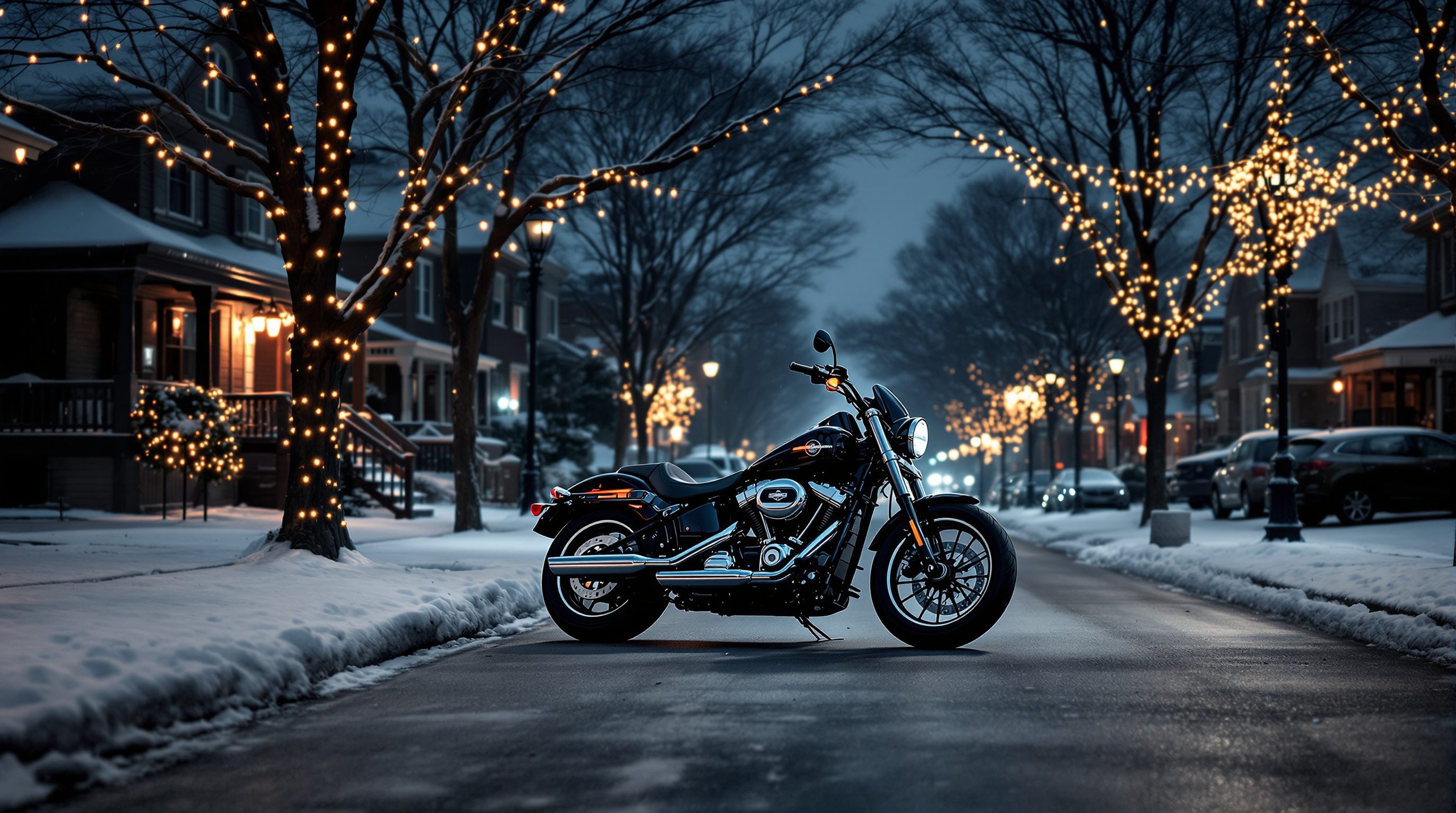
From Thanksgiving through New Year's, the roads around Chicago fill up with holiday parties, and too many of the drivers leaving them are drunk. If you still ride into December, chasing clear cold days on the Kennedy or a quiet stretch of DuSable Lake Shore Drive, you are sharing the road with the most dangerous drivers of the year. State police stack extra patrols and roadside checks all over Cook, Lake, DuPage, and Kane Counties, but enforcement does not undo a crash.
Why a Drunk Driver's Fault Makes Your Claim Stronger
A DUI is not just a criminal charge for the driver, it is powerful evidence in your civil case for money. You recover in Illinois when the other driver was negligent, and driving drunk is about as clear a case of negligence as it gets. A breath test over 0.08, a failed field sobriety test, an arrest at the scene, all of it becomes part of the record your lawyer uses to prove the crash was the driver's fault, not yours. That matters because of the way Illinois splits fault. Under the comparative negligence rule you recover nothing only if you are found more than 50% at fault, and your award is reduced by your share if you are 50% or less (735 ILCS 5/2-1116). A driver who blew a light drunk on Milwaukee Avenue has a hard time pinning much blame on the rider who had the right of way. The criminal case and your civil case stay separate, so you bring your own claim whether the driver is convicted, acquitted, or pleads out.
Dram Shop: When the Bar Shares the Blame
Illinois goes a step further than most people expect, because the bar or restaurant that overserved the driver can be on the hook too. The Dram Shop Act makes a business that sells alcohol liable when that sale causes intoxication that leads to your injury (235 ILCS 5/6-21). If the driver who hit you got loaded at a holiday party at a bar, that establishment may owe you money on top of what the driver owes.
- ✓ The dollars are capped. Illinois sets a maximum on dram shop recovery that the state adjusts every year, so the figure in force changes annually.
- ✓ The deadline is short. Dram shop claims carry their own shortened filing window, tighter than the standard injury deadline, so this is not one to sit on.
- ✓ It is a separate target, not a substitute. A dram shop claim stacks on top of your case against the driver, giving you another source to collect from when the driver alone cannot cover your losses.
Punitive Damages: Punishing Reckless Choices
Most crash claims pay you back for your losses, the medical bills, lost wages, and pain. Drunk driving can open a door to more. When a driver's conduct is not just careless but reckless, showing an utter disregard for the safety of others, Illinois allows punitive damages. These are not tied to your medical bills. They exist to punish the driver and warn everyone else that getting behind the wheel drunk carries real consequences. Choosing to drive drunk during the holidays, with all the warnings and all the patrols, is exactly the kind of conduct that can support them. Punitive damages are not automatic and the standard is high, so whether they apply turns on the specific facts, but a DUI crash is one of the few situations where they are genuinely in play, and that changes what your case is worth.
What If the Drunk Driver Flees or Has No Real Coverage?
Here is the frustrating part. Drunk drivers are often the least responsible drivers in every way, including their insurance. Some carry only Illinois minimum limits of 25/50/20, some have let coverage lapse, and some hit you and run. This is where your own policy earns its keep. Illinois requires uninsured motorist coverage at 25/50 and it cannot be waived, and underinsured motorist coverage kicks in when the at-fault driver's limits are too low to cover your injuries (625 ILCS 5/7-203; 215 ILCS 5/143a). A hit-and-run counts as an uninsured motorist claim, so even a driver who vanishes into the night does not leave you with nothing. If your medical bills blow past a drunk driver's tiny policy, your UM and UIM coverage is what stands between you and an empty recovery, so it is worth checking your limits before the holidays, not after.
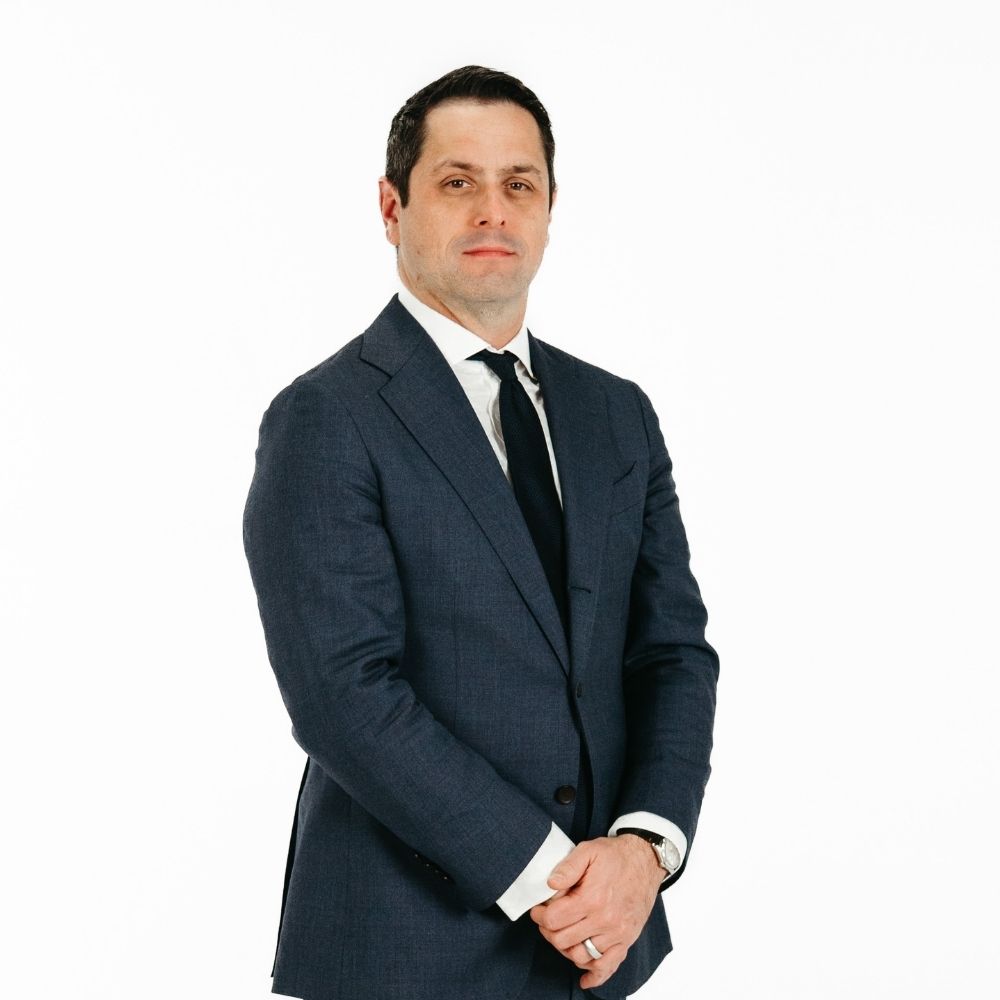
Derek Martin and the Chicago motorcycle injury attorneys at DDT Injury Team represent riders hurt by negligent drivers. If you have questions after a crash, their team is here to help.