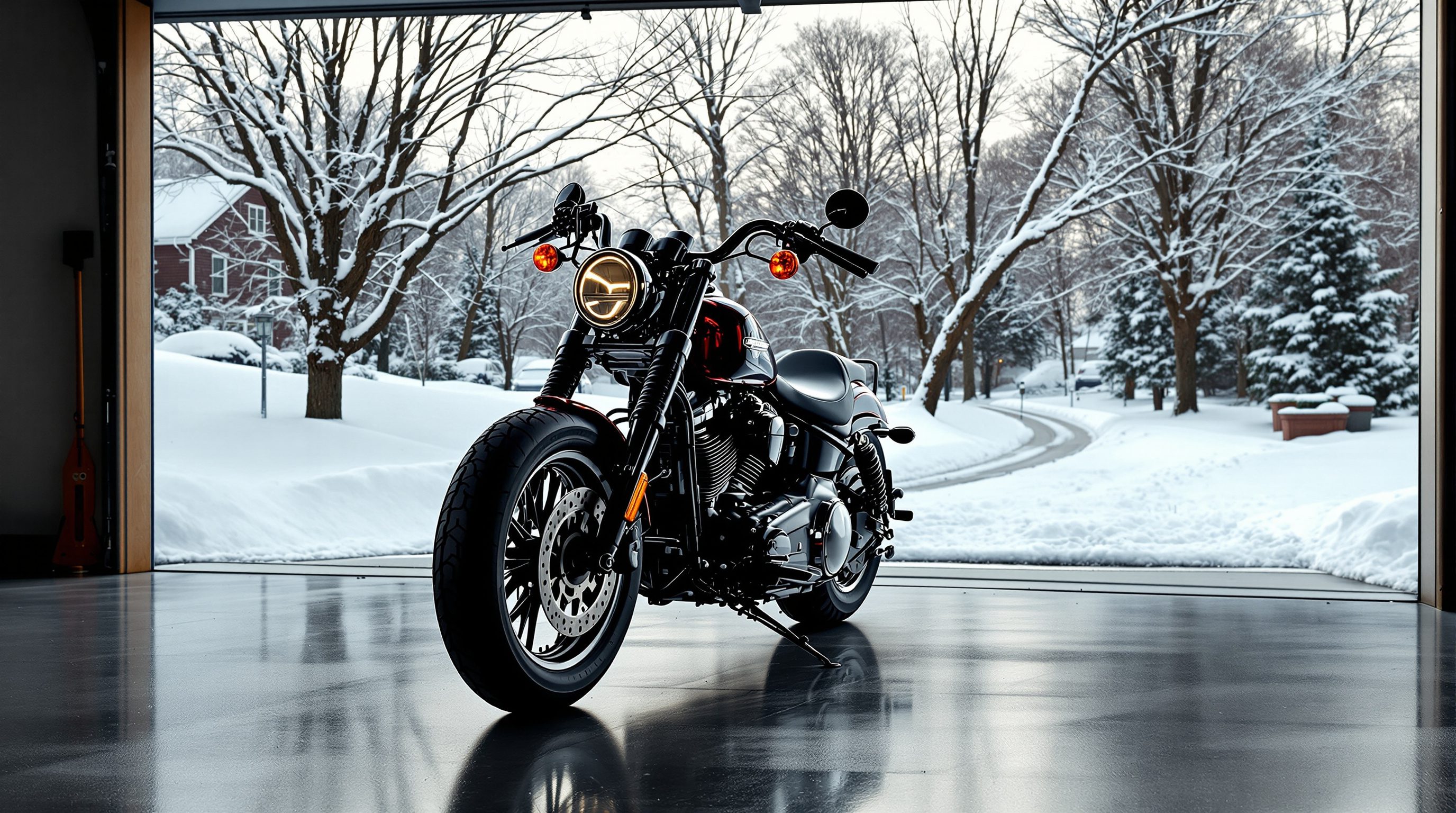
Cold-Weather Riding in Chicago: Staying Safe When the Temperature Drops
Not everybody parks the bike the first cold week. Plenty of Chicago riders keep going deep into November, chasing the last clear days before the salt takes over the Dan Ryan and the Eisenhower. A cold, dry ride can be some of the best riding of the year. But cold changes the rules: your tires grip less, your body loses heat faster than you notice, the sun sets before dinner, and your reaction time slows down right when the roads demand more of you.
Cold Pavement Means Less Grip
This is the one riders underestimate most. Motorcycle tires need heat to grip, and on a 38-degree morning they may never reach the temperature where they work their best. Cold rubber on cold pavement gives you less traction than the same tires on a warm July afternoon, and it takes longer into your ride to warm them up at all. Give yourself longer following distances, brake earlier, and keep your inputs smooth. Abrupt throttle, hard braking, and aggressive lean angles are how you find the edge of cold traction. Your tires are coldest right when you pull out of the garage, so take it easy getting onto the Kennedy or the Dan Ryan until they have some heat in them.
Dress for the Cold or Pay for It
Hypothermia is not a mountaineering problem. It is a motorcycle problem. Wind chill at highway speed pulls heat off your body fast, and a rider who is shivering and stiff has slower hands, worse focus, and a longer reaction time. Start with a moisture-wicking base layer, not cotton, add a windproof mid and outer layer, and protect your extremities with insulated, windproof gloves and warm socks. Cold, numb hands cannot work a clutch or brake with any feel, so heated grips or heated gear are worth every dollar. Illinois has no helmet law, but a full-face helmet blocks wind, keeps your face out of the freezing airstream, and covers the eye protection the state does require.
Shorter Days, Longer Shadows
By late November the sun is gone from Chicago by mid-afternoon, and a lot of cold-weather riding happens in low light or full dark. You see less, and drivers see you less. Low winter sun sitting right on the horizon during rush hour can blind a driver completely as they look for you. Add reflective gear, keep your headlight and taillight clean and working, and assume the driver squinting into the low sun has not seen you. Give yourself extra margin at intersections, where a left-turning driver into the sun is a classic setup for a serious crash.
Salt, Frost, and the Stuff on the Road
Cold weather brings its own hazards on top of everything else. Once the salt trucks run, roads get gritty and slick, and salt residue reduces traction and coats your bike. Morning frost on shaded patches, bridge decks, and overpasses can be slick even when the air only feels chilly, and wet leaves that froze overnight are basically ice. Scan the surface constantly and treat any shaded or elevated stretch as suspect until you know it is dry.
- ✓ Leave more room and ride smooth. Cold tires grip less, so lengthen your following distance and ease into throttle, brakes, and lean.
- ✓ Layer against the wind. Wicking base, windproof outer, insulated gloves, and a full-face helmet keep you warm enough to react.
- ✓ Plan for the dark. Reflective gear and clean lights, plus extra caution when the low winter sun is blinding drivers.
- ✓ Avoid the slick stuff. Stay off painted lines, metal joints, salted wet patches, and frozen leaves.
- ✓ Park it when there is any chance of ice. Two wheels and ice do not mix, and there is no trophy for riding conditions that were never safe.
Cold Is No Excuse for a Careless Driver
If a driver hits you in cold or low-light conditions, do not let their insurer pin it on the weather or on you. Illinois uses the modified comparative negligence 50% Rule (735 ILCS 5/2-1116), so as long as you are not more than 50% at fault you can still recover, with your award reduced by your share. It was cold and dark out is not a free pass for a driver who turned left across your lane or never looked. Do not let an adjuster twist your choice to ride in November into blame. Fault is about who acted unreasonably, and that is a fact question worth fighting over.
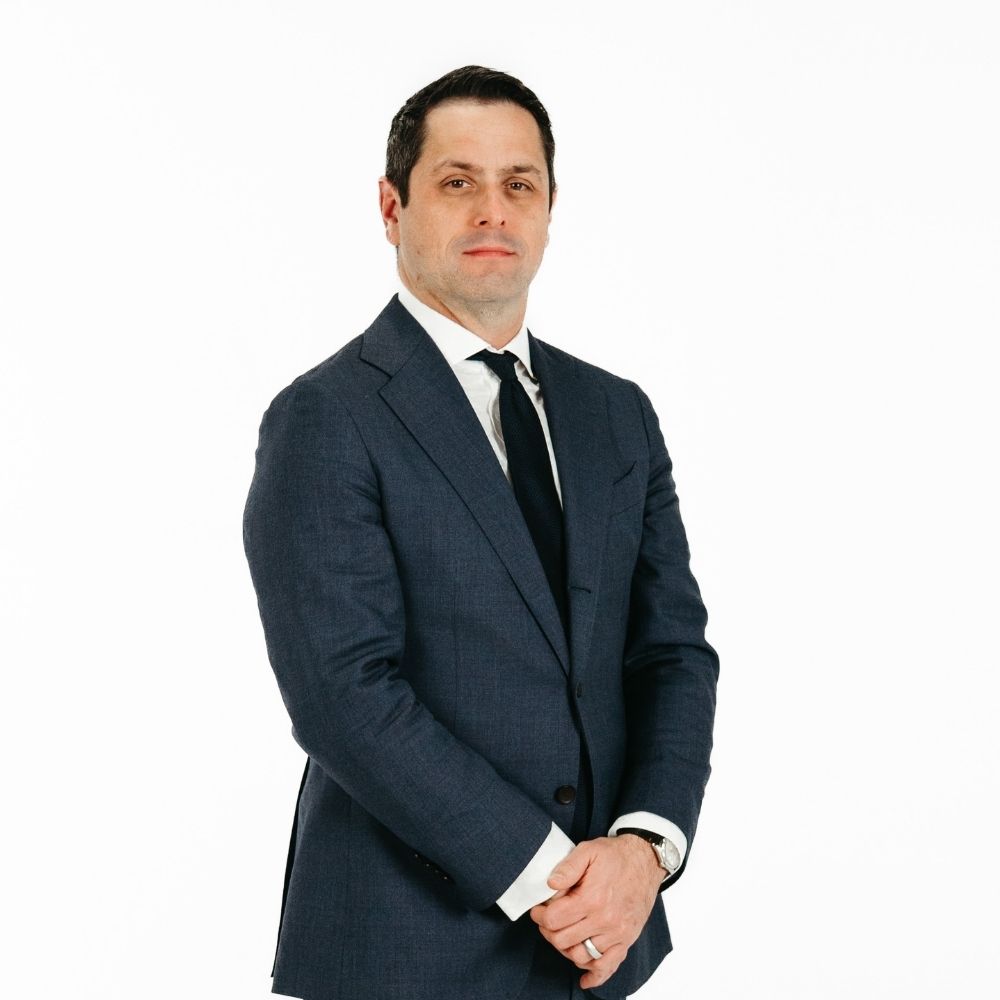
Derek Martin and the motorcycle accident lawyers in Chicago at DDT Injury Team represent riders hurt by negligent drivers. If you have questions after a crash, their team is here to help.