Your Insurer Totaled Your Motorcycle in Florida: Getting a Fair Payout
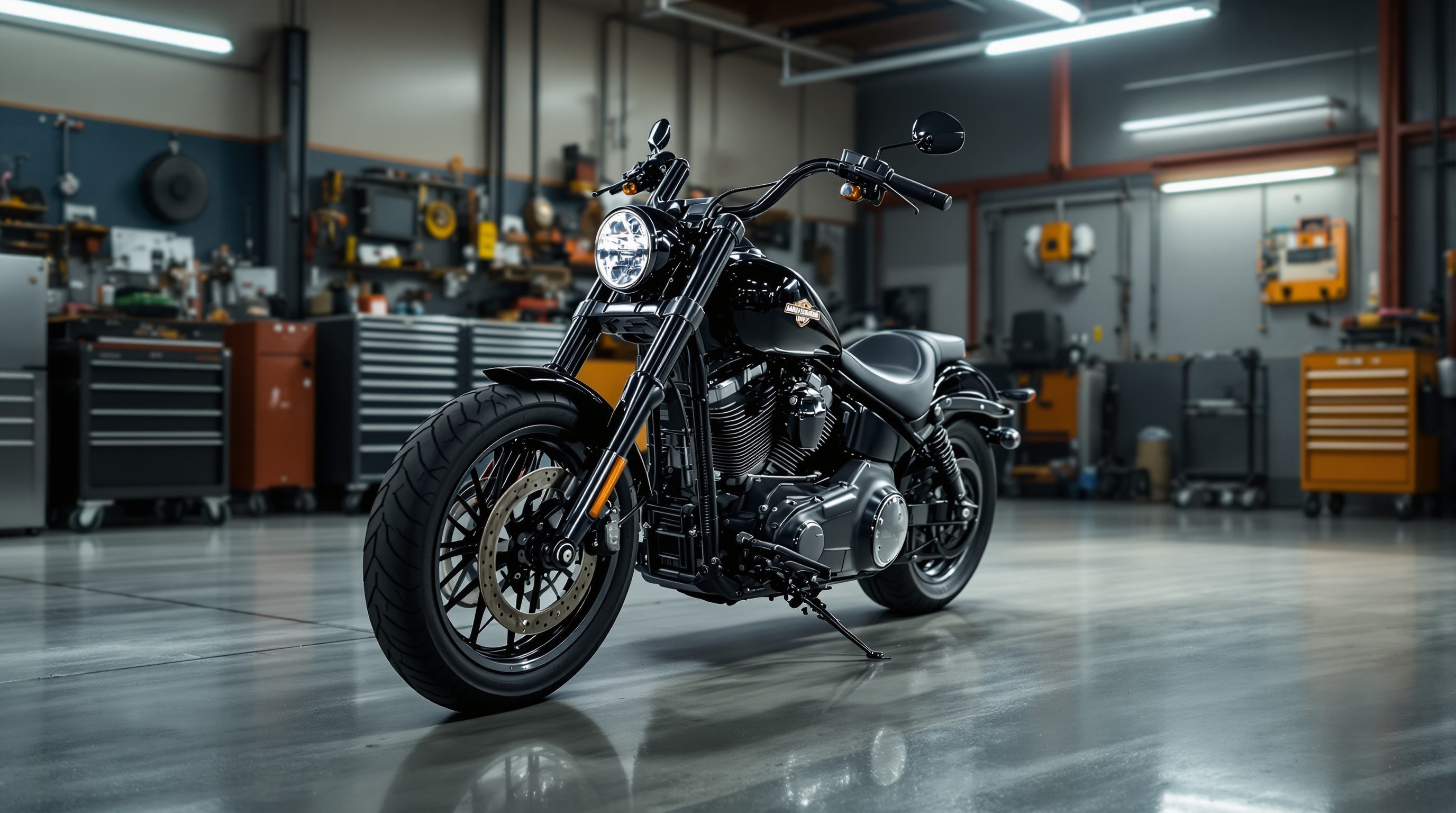
The estimate comes back and the insurer says your bike is a total loss. Whether it was a low-side on US-98 or a car that pulled out on Nine Mile Road, the company has decided that repairing it costs too much, so they will cut you a check for its value and take the bike. The number they lead with is almost never the number you should accept. Totaling your motorcycle is a property claim, and it is a completely separate fight from any injury claim you may have. Different coverage, different rules, different tactics. Knowing how Florida handles total-loss valuation is how you keep the insurer from shorting you on the bike you loved. Here is how the total-loss call gets made, what actual cash value really means, and the money Florida law says belongs in your payout.
When a Bike Becomes a "Total Loss"
An insurer does not total your bike just because it looks rough. They run the numbers. In Florida, the general rule of thumb is a total-loss threshold around 80 percent, meaning once the estimated cost to repair reaches roughly 80 percent of the motorcycle's pre-crash value, they declare it a total loss instead of paying to fix it. Some insurers instead use their own total-loss formula that weighs repair cost plus salvage value against the bike's value.
Either way, the decision turns on the bike's value, and that value is exactly what they have an incentive to lowball.
Actual Cash Value Is Where the Fight Is
When they total your bike, the insurer owes you its actual cash value, or ACV, which is what a comparable used motorcycle in similar condition would sell for in your local market right before the crash. It is not what you paid, and it is not what you still owe on the loan. This is where the disagreement lives.
Insurers lean on valuation software and "comparable" listings that are often not comparable at all. They may use bikes with higher mileage, worse condition, or from a cheaper market hundreds of miles away, and they routinely ignore the things that actually add value.
- ✓ Upgrades and accessories.. Aftermarket exhaust, saddlebags, crash bars, a custom seat, and other add-ons increase value. Document every one.
- ✓ True condition and mileage.. Low miles, service records, and clean mechanical condition all push the number up.
- ✓ Real local comps.. Pull listings for the same year, make, model, and trim actually for sale near Pensacola, not a national average.
- ✓ Recent maintenance.. New tires, a fresh chain, recent service, all of it counts.
- ✓ Sales tax and fees.. Florida requires the payout to account for sales tax and the title and registration fees to replace the bike.
Florida Says Sales Tax Goes in the Payout
This one gets missed constantly. In a Florida total-loss settlement, the insurer is generally required to include sales tax in the payout, because you need it to buy a replacement, along with title and registration fees. If the offer is just the bare value of the bike with no tax added, that offer is likely short. Do the math and make them add it.
How to Push Back on a Lowball
You do not have to accept the first number. Counter it with evidence. Gather your own comparable listings from the local market, photos and receipts for upgrades and maintenance, and any records showing the bike's condition. If they used bad comps, point out exactly why each one is not comparable. Put your counter in writing. A documented, specific demand is far harder to brush off than a phone call.
Do Not Forget Gap Coverage
If you financed or leased the bike and owe more than it is worth, the ACV payout may not cover your loan balance. That leftover is yours unless you have gap coverage, which pays the difference between what you owe and what the bike was worth. Check your policy and your loan paperwork. Gap can be the difference between walking away clean and still making payments on a bike you no longer have.
A Property Claim, Not Your Injury Claim
Keep the two claims straight. Totaling your bike is a first-party property matter over the machine. If you were hurt, that injury claim runs on its own track, under Florida's 51 percent comparative fault bar and the two-year deadline for injury suits. Settling the property claim does not settle the injury claim, and you should never let an adjuster bundle a quick bike check in with a release of everything. Read anything you sign.

Led by Dana Brooks, Fasig Brooks in Pensacola fights for injured motorcyclists. Reach out to their Pensacola motorcycle accident attorneys anytime you need real answers.