Hit by an Uber or Lyft Driver in Pensacola: Which Insurance Pays?
You are rolling down Bayfront Parkway or waiting at a light on Ninth Avenue when a car swings into you. The driver climbs out with a phone mounted to the windshield and a rideshare sticker in the glass. Your crash just got more complicated, and in one way, more promising. Rideshare drivers carry layers of insurance that an ordinary driver does not. Which layer pays your motorcycle injury claim depends entirely on what the driver was doing in the app at the moment of impact. Get that wrong and you can leave real money on the table. Here is how the coverage tiers work in Florida, how the state's 51 percent fault bar fits in, and why your own UM coverage still matters even when a big rideshare policy is in play.
The Three Rideshare Periods
Uber and Lyft both run their coverage in tiers tied to the app. The single most important fact in your claim is which period the driver was in when they hit you.
- ✓ App off.. The driver was not working. Only their personal auto policy applies, the same as any ordinary crash, and many personal policies exclude rideshare use altogether.
- ✓ App on, waiting for a request.. The driver is logged in but has no ride yet. Uber and Lyft carry limited contingent liability here, commonly around 50,000 dollars per person and 100,000 dollars per crash for injuries, with 25,000 dollars for property damage.
- ✓ En route or passenger aboard.. From the moment the driver accepts a ride until the passenger is dropped off, the company's large third-party liability policy applies, up to 1 million dollars.
Why the Period Decides Everything
Same crash, wildly different coverage. If the driver was between fares with the app on, you may be looking at a 50,000 dollar injury limit. If they had just accepted a pickup, a 1 million dollar policy may be in play. The rideshare company will pull the driver's app data to establish the period, and they have every reason to place the crash in the cheapest tier.
That app timeline, the trip logs, and the driver's own statements are evidence worth locking down fast, because the difference between periods can be the difference between covered and barely covered.
Florida's 51 Percent Bar Still Applies
No matter which policy pays, Florida's fault rules still govern. Since March 2023 the state uses modified comparative negligence with a 51 percent bar. Your recovery is reduced by your share of fault, and if you are found more than 50 percent at fault, you recover nothing at all.
Expect the rideshare insurer, like any insurer, to argue you were lane splitting, which is illegal in Florida, or speeding, or somewhere the driver could not see you. Every point of fault they assign is money out of your pocket, so the same evidence discipline applies here as in any rider claim.
Why UM/UIM Still Matters
A million dollar policy sounds like plenty, until it is not there. If the driver had the app off and their personal insurer denies the claim under a rideshare exclusion, or the applicable tier is the small contingent one, you can be left short. Remember that Florida does not require drivers to carry bodily injury coverage at all, and PIP does not cover your motorcycle, so your own bills do not get picked up automatically.
Your uninsured and underinsured motorist coverage is the backstop. It can also come into play if the rideshare driver was not at fault and the actual at-fault driver is uninsured. Rideshare companies carry their own UM/UIM in the higher periods as well. Sorting out which UM coverage stacks and applies is exactly the kind of thing to hand a lawyer.
Move Before the Clock and the Data Run Out
Florida generally gives you two years from the crash to file an injury lawsuit under the 2023 reforms. Just as important, the app data that proves which period applied does not sit around forever. The sooner the trip records are preserved, the stronger your claim.
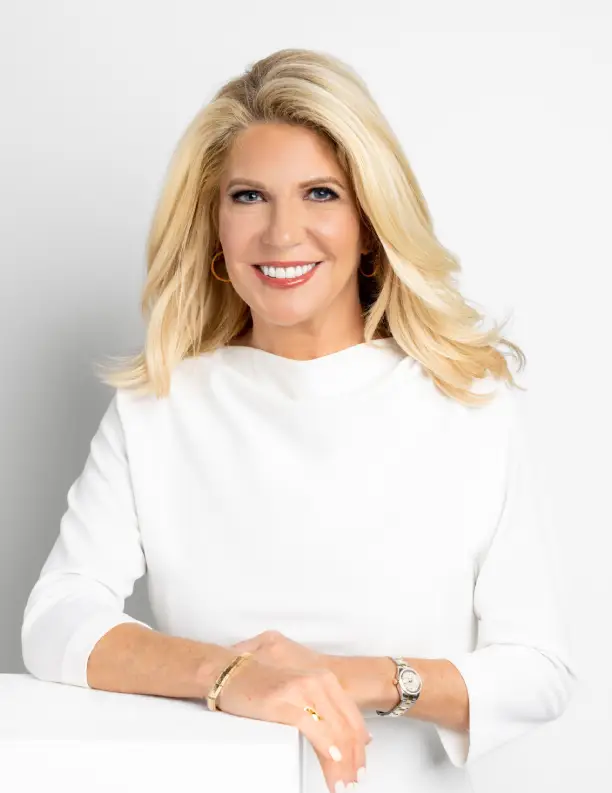
Dana Brooks and the motorcycle accident lawyers in Pensacola at Fasig Brooks represent riders hurt by negligent drivers. If you have questions after a crash, their team is here to help.