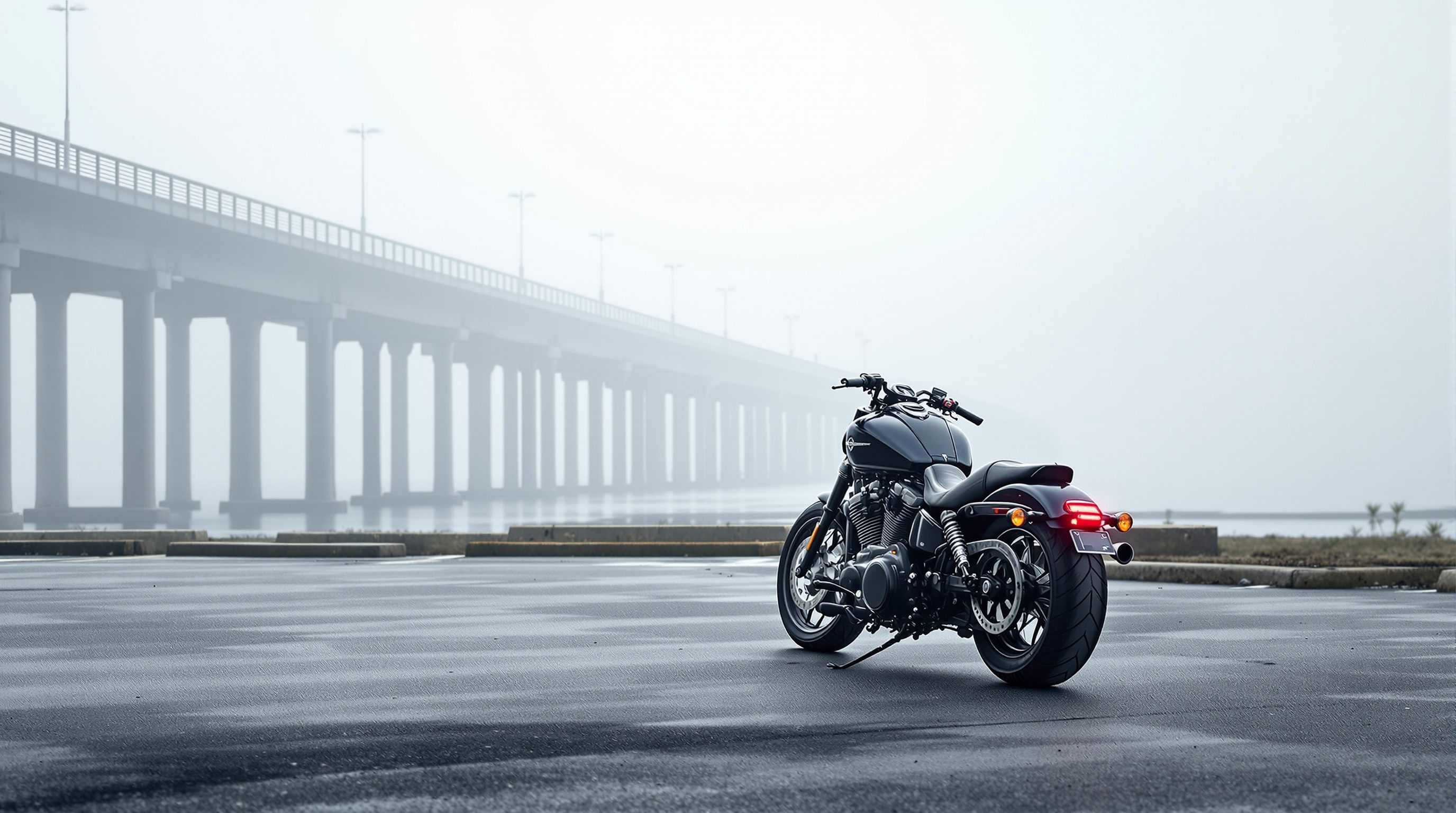
Fog, Cold Snaps, and the Long Bridges: The Real Winter Hazard for Pensacola Riders
Riders up north put the bike away for winter because of snow and ice. Down here on the Panhandle, we ride through it, and the winter hazard that actually hurts Pensacola riders is not snow. It is fog. Dense, wet, gray fog that rolls off the bay and sits on the long bridges at dawn, the kind that swallows a headlight and hides a car until it is already on top of you. Stack a cold snap on top of that and the low spans get genuinely dangerous: a bridge deck can ice over when the road on either side stays dry, the metal expansion joints turn greasy, and blowing sand drifts across the coastal roads. Here is how to ride the Pensacola winter without becoming a statistic, and what Florida law does with fault when a driver in the fog takes you down anyway.
Fog on the bays is the one that gets riders
Northwest Florida mornings in winter produce some of the thickest fog you will ride in. It forms over the warm bay water and pools on the long, low crossings, the Pensacola Bay Bridge, the Bob Sikes Bridge over to Pensacola Beach, and the causeway and Escambia Bay spans on US-90 and I-10. Those are exactly the places you cannot afford reduced visibility, because there is no shoulder to duck onto and nowhere for a driver behind you to go when he finally sees your taillight.
The problem is not just that you cannot see. It is that drivers cannot see you, and a motorcycle's single light is a hard target in gray soup. People drive too fast for the conditions, they follow too close, and they change lanes into space they never checked. If the fog is thick enough that you are second-guessing whether to cross, that is your answer. Wait it out or take the inland route. No ride is worth threading a fogged-in bridge.
Iced decks, slick joints, and blowing sand
A hard Panhandle freeze is rare, but it happens, and the bridges feel it first. Elevated bridge decks lose heat from both sides and ice over while the surface roads stay clear, so a crossing that was fine yesterday can have a glazed patch at dawn after a cold night. The steel expansion joints and the painted lines get slick with dew and frost too, and on a bike a slick joint mid-span is enough to stand the tires up and take your line away. Add the blowing sand that winter wind drags across US-98 and the beach approaches, and the same surfaces that are treacherous in summer get worse in the cold.
You cannot salt the road or fix the joints. What you can do is change how you ride the cold mornings: warm the tires up before you lean on them, stay off the painted lines and the metal joints when it is near freezing, and give yourself room so you are braking on clean, dry pavement instead of on top of a surprise.
- ✓ Do not cross a bridge in heavy fog. If the far end disappears, wait it out or ride the inland route. There is no shoulder and no room for error on the long spans.
- ✓ Run your headlight and wear hi-viz. A single motorcycle light is a hard target in gray fog, so add reflective gear and a bright layer and make the drivers around you work less to see you.
- ✓ Double your following distance in the fog and cold. Stopping distances stretch on damp, cold pavement, and you want time to react to the brake lights that appear late in the murk.
- ✓ Respect the iced deck and the slick joints. On a near-freezing morning, treat elevated bridge decks, steel expansion joints, and painted lines as slick, and get your braking done before them, upright and gentle.
- ✓ Warm the tires and dress for it. Cold tires and cold, stiff hands both cost you control, so give the tires a few miles and wear gear that keeps you warm enough to react.
When a driver hits you in the fog, fault is the fight
Do everything right and a driver who was going too fast for the fog can still rear-end you on the bridge or change lanes into you on the causeway. When that happens, Florida law decides what your claim is worth, and two rules drive it.
First, Florida uses modified comparative negligence with a 51 percent bar. Your recovery is reduced by your share of fault, and if you are found more than half at fault, you recover nothing. That is the exact lever the insurance company reaches for after a fog crash. They will argue you should not have been on the bridge in those conditions, that your light was too dim, that you were hard to see, that the weather, not their driver, caused it. Do not let the fog become your fault. A driver who overdrives his visibility and hits a rider he should have slowed down for is the one who caused the crash.
Second, remember that Florida's no-fault PIP does not cover motorcyclists, and the state does not even require drivers to carry bodily-injury liability. So your own uninsured/underinsured motorist coverage and your health insurance are often what carry your injuries. If a fog crash happens, get medical care first, then photograph the conditions while they are fresh: the fog, the frost, the spot on the span, and anything that shows how little the other driver could have been seeing too. The details are what keep the blame off you under the 51 percent bar.

Led by Dana Brooks, Fasig Brooks in Pensacola fights for injured motorcyclists. Reach out to their motorcycle accident lawyers in Pensacola anytime you need real answers.