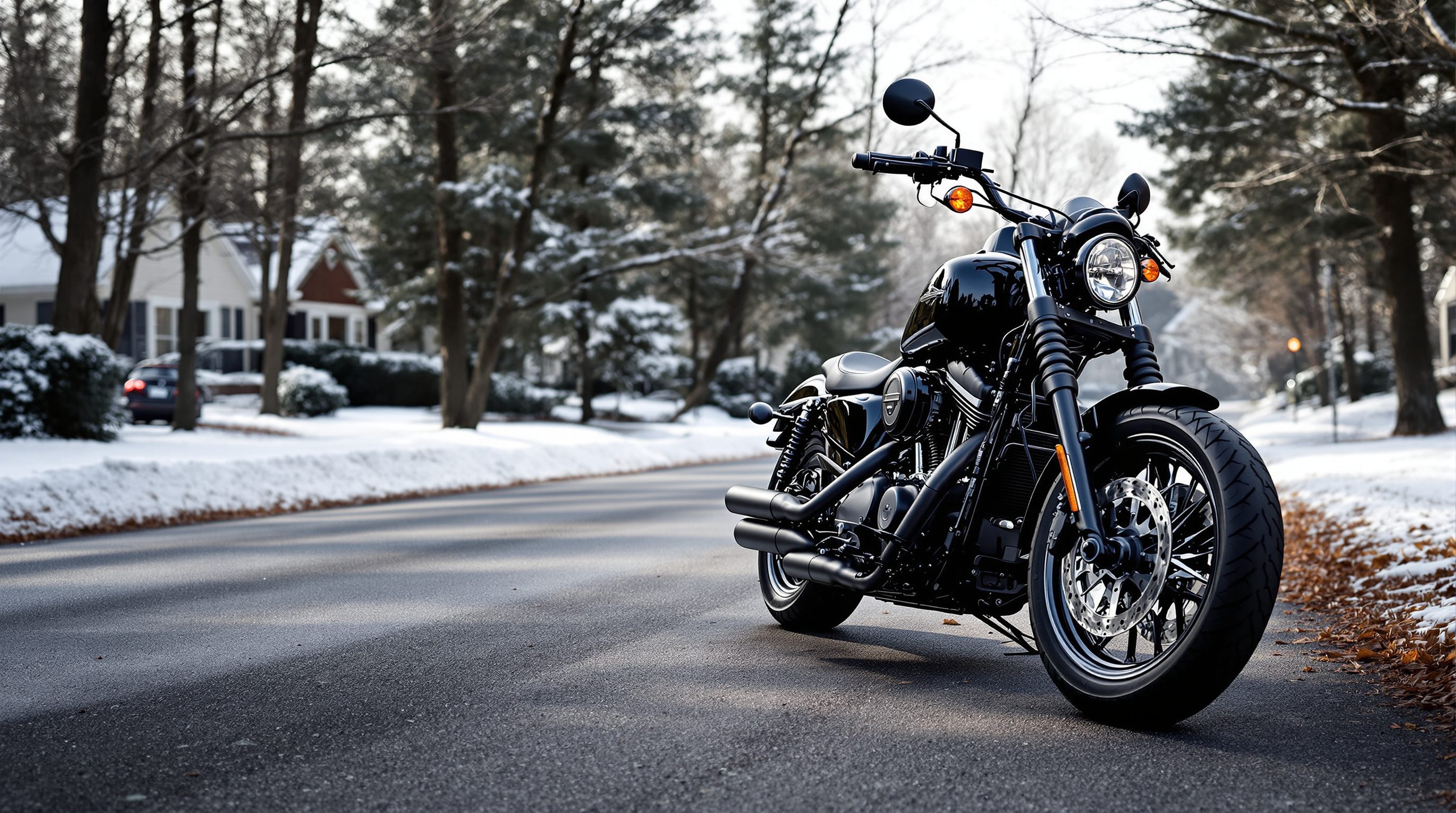
Winter Storage and Your Motorcycle Insurance in North Carolina: Should You Drop Coverage?
Around Raleigh the riding season never really slams shut, but plenty of us still park the bike for the coldest stretch of the year. Somewhere between the first hard freeze and the first warm Saturday in March, the Triangle rider tucks the motorcycle into the garage and quietly starts eyeing the insurance bill. It is tempting to just cancel the policy for a few months and pocket the money. Before you do, understand what that move actually costs you in North Carolina, because a coverage gap you create to save a little in January can cost you a lot more come spring, and it can leave you exposed the first day you roll it back out.
Cancelling is not the same as saving
The single most expensive mistake a winter storer makes is cancelling the policy outright. The day your coverage ends, you have a lapse on your record. Insurers treat any gap in continuous coverage as a red flag, and they price your next policy off it. You save three months of premium and then hand it right back, and often more, in a higher spring rate that follows you for a year or longer. A lapse can also bump you out of the good-driver and continuous-coverage discounts you have quietly been earning. In North Carolina, where you rely on your own policy far more than riders in no-fault states do, that continuous coverage is worth protecting.
What you can trim, and what you never touch
If the bike is genuinely off the road, garaged, and not going to move until spring, there is a reasonable conversation to have about the coverages that only matter when the wheels are turning. But that conversation has hard limits, and the pieces that protect you against theft, fire, storms, and uninsured drivers are not the ones to gamble with. Here is how the coverage on a stored motorcycle breaks down.
- ✓ Keep comprehensive the whole time. It covers theft, fire, vandalism, a falling tree, and winter storm damage while the bike sits. Garage fires and thieves do not wait for riding season, and comprehensive is usually the cheapest part of the bill.
- ✓ Think hard before dropping collision. If the bike is financed you cannot drop it. If you own it outright and it is truly immobile, some riders pause it, but one warm-day ride with no collision coverage is a real gamble.
- ✓ Never drop UM/UIM. Uninsured and underinsured motorist coverage is your real backstop in North Carolina, and letting it lapse even briefly can leave you with nowhere to turn after a spring crash.
- ✓ Avoid any lapse at all. A single uninsured day is a lapse. Insurers build your renewal price on unbroken coverage, so the gap costs more than the premium you skipped.
- ✓ Ask about a lay-up or storage option. Many insurers offer a reduced winter mode that keeps comprehensive in force without any lapse. That is almost always smarter than cancelling and restarting.
Your lienholder gets a vote
If you are still making payments on the motorcycle, this decision is largely out of your hands. Loan and lease contracts require you to carry full coverage, comprehensive and collision, for the entire term, parked or not. Drop it and the lender can slap on force-placed insurance, which is far more expensive than your own policy and protects only the bank, not you. Before you touch anything, read your loan terms or call the lender. The winter savings are not worth defaulting on your financing agreement.
Why a gap is so costly in North Carolina
North Carolina is a fault, or tort, state. There is no no-fault system here and no required personal injury protection, so after a crash you lean on your health insurance, any MedPay you carry, the at-fault driver, and your own UM/UIM coverage. That last piece is the backstop that catches you when the other driver has the state minimum 30/60/25 or nothing at all. Now picture the first warm day of the year. You roll the bike out for a quick loop, a driver turns left across your path, and you learn that the policy you cancelled in December never got restarted. In a state that already runs on pure contributory negligence, where being found even one percent at fault can bar your recovery entirely, showing up to that fight with no coverage of your own is the worst position a rider can be in. Keep the policy alive, trim it thoughtfully, and start spring covered.
Ben Cochran and the Raleigh-Durham motorcycle injury attorneys at Hardison & Cochran represent riders hurt by negligent drivers. If you have questions after a crash, their team is here to help.