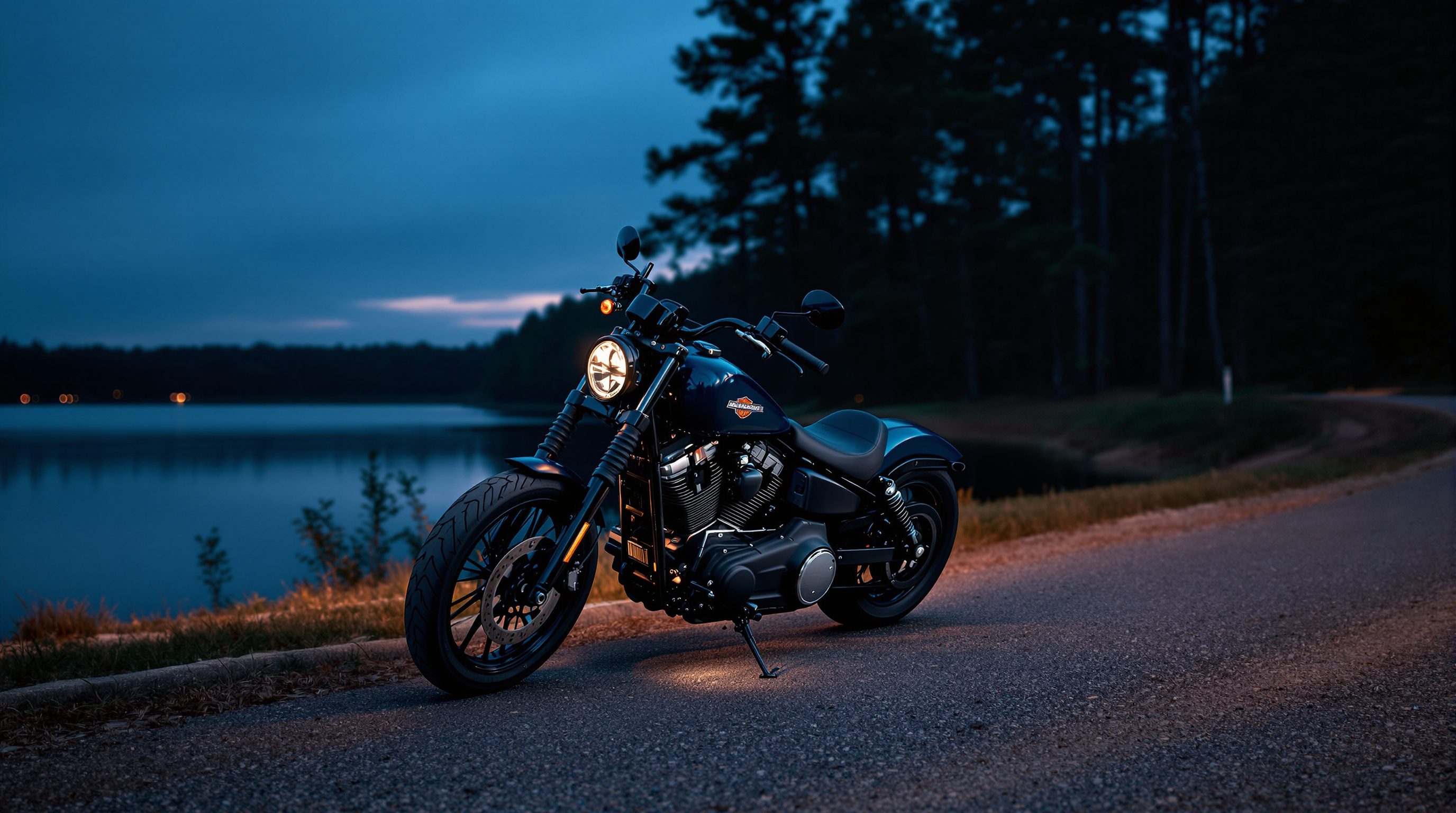
Total Loss: How North Carolina Insurers Value Your Wrecked Motorcycle
You built that bike up over years. New pipes, a fresh tune, upgraded suspension, the seat you finally got right for long Blue Ridge Parkway runs. Then a driver on US-64 turns left across your path, and a few weeks later an adjuster tells you the motorcycle is a total loss and slides a number across the table that feels like an insult. That number is not gospel. It is an opening offer, and in North Carolina you have more room to push back than most riders realize.
How North Carolina Insurers Set Actual Cash Value
An insurer calls a vehicle a total loss when the cost to repair it, sometimes combined with its salvage value, meets or crosses its actual cash value, and on a motorcycle that threshold comes fast. Actual cash value, or ACV, is what your bike was worth the moment before the crash, in its real condition, including mileage and upgrades. Adjusters lean on valuation software and a set of comparable sales called comps. In practice the comps an insurer picks tend to sit at the low end, using bikes with higher mileage, rougher condition, or from distant markets to drag your value down, while ignoring the aftermarket exhaust, suspension, and wheels that made your machine worth more than the average listing. One more thing about the payout: when the insurer pays ACV to replace a totaled bike, that figure should reflect the taxes you will face on the next one, and North Carolina charges a 3 percent Highway Use Tax at titling.
How to Dispute a Lowball Offer
You do not have to accept the first number. A total loss valuation is negotiable, and documentation is what moves it. Bring evidence, not just frustration, and an adjuster has far less room to hold a low figure.
- ✓ Get the insurer's valuation report. Ask for the comps and the math, because you cannot challenge a number you have not seen.
- ✓ Build your own comps. Pull current listings for bikes that truly match yours in year, model, mileage, and condition.
- ✓ Prove your upgrades. Receipts and photos for permanent add-ons make them hard to dismiss.
- ✓ Document condition and mileage. Service records, inspection history, and pre-crash photos all raise the floor.
- ✓ Add your gear. Include the destroyed helmet, jacket, and boots as damaged property, and confirm the offer accounts for taxes and title fees.
Salvage Titles, the Loan Gap, and Your Injury Claim
Two issues catch riders off guard after a total loss. Under North Carolina law a vehicle is branded salvage when the damage is serious enough that repair costs exceed 75 percent of its fair market value, and if you keep and rebuild the bike that brand follows it, cuts its future value, and comes with inspection requirements. The second is the loan gap: if you financed the bike and owe more than its ACV, the insurer pays the value, not the balance, and gap insurance is what covers that shortfall. Remember too that the total loss check covers only the machine. Your medical bills, lost wages, and pain are a separate claim, and under North Carolina's pure contributory negligence rule being found even 1 percent at fault can wipe out that injury recovery, which is a reason to be careful about what you say to any adjuster.

Led by Ben Cochran, Hardison & Cochran in Raleigh-Durham fights for injured motorcyclists. Reach out to their Raleigh-Durham motorcycle accident attorneys anytime you need real answers.