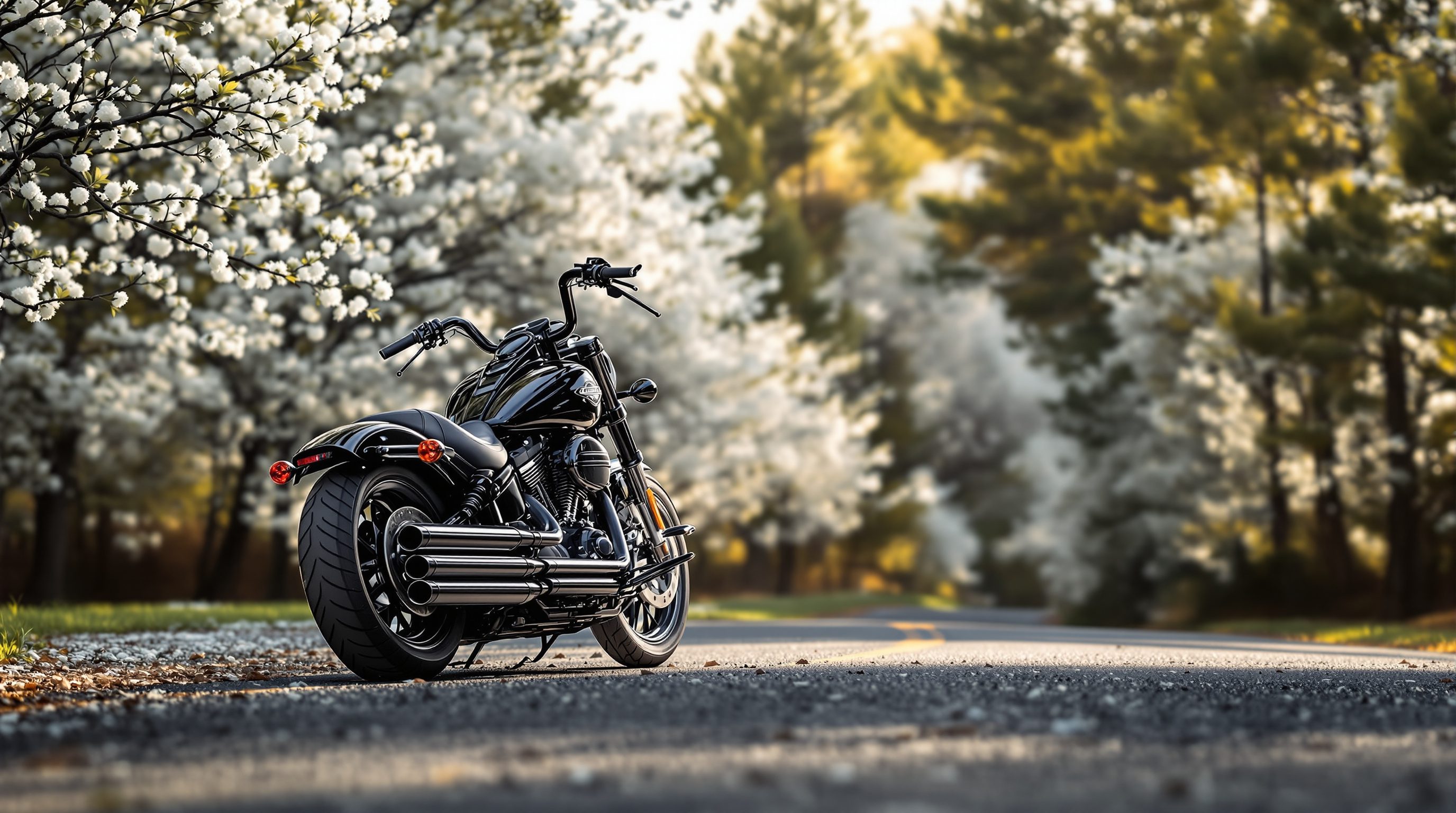
Spring-Ready: The Triangle Rider's Pre-Season Checklist
There is a specific kind of itch that hits every Triangle rider around late February. The sun is out, the pavement is dry in patches, and your bike has been sitting under a cover since the cold snapped in. The Blue Ridge Parkway out west is still weeks from prime, but the flat runs around Falls Lake and Jordan Lake are already calling, and the temptation to just fire it up and go is strong. Resist it for one afternoon. A North Carolina winter layup is still a layup, and the first warm ride is exactly when a neglected bike and a rusty rider find trouble together.
Start With T-CLOCS
The industry standard pre-ride inspection is the T-CLOCS check, and after a months-long layup it is worth doing the full version rather than the quick glance. The letters stand for Tires and wheels, Controls, Lights and electrics, Oil and fluids, Chassis, and Stands. Cold storage and time bleed tire pressure and can flat-spot rubber, so check pressures against spec and look for cracking and dry rot. Work the throttle, clutch, and brake levers, since cables can stick and hydraulic feel can go spongy over winter. Test the headlight, brake light, signals, and horn, because your single headlight is your best defense against a left-turning driver. Old oil, low coolant, and moisture in brake fluid all age over a layup, so fresh fluids are cheap insurance. Finally check chain or belt tension and lube, the suspension, loosened fasteners, and that both stands spring back and hold.
Battery, Fluids, and the Fuel That Sat All Winter
The battery is the single most common spring casualty. A battery that was not on a tender through the winter is often dead or badly weakened, and a weak battery can leave you stranded on a two-lane out past Saxapahaw. Charge it fully, test it, and replace it if it will not hold. While you are at it, deal with the fuel. Gas that sat for months can go stale and gum up a fuel system, so if you did not stabilize it before storage, be ready to run it out and refill with fresh.
Shake the Rust Off Your Own Skills
An honest checklist includes the rider. After a winter off, your reflexes, throttle and brake control, and habit of scanning for threats have all faded a little, even if it does not feel that way. That first ride is not the day to chase a personal best through the curves of the Uwharrie. Ease back in, because a fresh set of skills is worth as much as a fresh set of tires when the season starts.
- ✓ Take a shakedown ride first. A quiet route, low speed, gentle inputs, so the reflexes come back before you point it at anything technical.
- ✓ Rebuild your emergency braking. Practice hard, controlled stops in a safe empty lot. It is the skill that fades fastest and matters most.
- ✓ Reset your scanning. Drivers have not seen a motorcycle in months either, so ride like you are invisible, especially at Triangle intersections.
- ✓ Respect potholes, pollen, and cold pavement. Winter freeze-thaw pocks the Beltline with holes, spring pollen glazes the corners slick, and shaded pavement stays cold, so slow your entry and widen your line.
Pothole Season and Pollen-Slick Roads
North Carolina hands riders two seasonal traps in early spring. The first is potholes. A winter of freeze and thaw chews up the pavement, and by late February the Triangle's roads are pocked with edges and holes that can tuck a front wheel in an instant, with the Beltline and the older surface streets the worst offenders. The second is pollen. When the pines let go in spring, a fine yellow film settles over everything, and on a road it turns into a slick layer, especially the first time rain wets it down. A pollen-glazed corner offers far less grip than it looks. Read the road far ahead, slow your entry, and treat those first dusty-yellow weeks like the low-traction hazard they are.
Re-Check Your Coverage Before the Long Rides
Here is the item no mechanical checklist includes, and the one that matters most if the season goes wrong. Before you point it out to the Uwharrie or up to the Blue Ridge Parkway and start putting real miles on, pull out your motorcycle policy and actually read it. North Carolina is a fault state with no no-fault PIP, and the state minimums other drivers carry are just 30/60/25, which run dry fast on a serious injury. Your uninsured and underinsured motorist coverage is required in North Carolina and is your real backstop when the driver who hits you has too little insurance or none. A five-minute call to confirm you carry meaningful UM/UIM, and that it did not lapse over the winter, is the cheapest protection you will buy all year. Do it before the first big ride, not after a crash.

Ben Cochran and the Raleigh-Durham motorcycle accident attorneys at Hardison & Cochran represent riders hurt by negligent drivers. If you have questions after a crash, their team is here to help.