Rideshare Crashes and Motorcyclists in Raleigh: Who Pays When an Uber Hits You
The Triangle runs on rideshare. Around Glenwood South on a Friday night, near PNC Arena after a Canes game, or along the hotel strip off I-40 by the airport, Uber and Lyft drivers are everywhere, often watching a phone instead of the road. For a motorcyclist, a distracted rideshare driver stopping short for a pin drop or swerving to a curb is a real hazard. When one of them hits you, how much coverage is available can swing from a tiny personal policy to a full million dollar commercial policy, and the deciding factor is something you cannot see from the saddle.
The App Phase Decides the Coverage
Uber and Lyft do not carry one flat policy. Coverage turns on the driver's status, and there are essentially three phases. When the app is off, only the driver's personal auto policy applies, and North Carolina minimums can be as low as 30/60/25. When the app is on and the driver is waiting for a request, the companies carry contingent liability commonly around 50,000 dollars per person and 100,000 dollars per crash, more than the personal minimum but still thin for a serious motorcycle injury. Once the driver has accepted a request or has a passenger aboard, the large commercial policy kicks in and provides up to one million dollars in third-party coverage. Two nearly identical crashes on the same block can have wildly different coverage purely based on whether the driver had tapped to accept a fare, so pinning down the app phase is often the most valuable thing an investigation does.
North Carolina Has No No-Fault to Fall Back On
This is where riders in some other states get a cushion that North Carolina simply does not offer. North Carolina is a fault, or tort, state with no no-fault system and no required personal injury protection, so you cannot turn to a no-fault pot for your medical bills regardless of blame. Recovery here depends on proving the other party was at fault and then reaching the right insurance coverage. Because fault decides everything, and because North Carolina still applies pure contributory negligence, a rideshare insurer has every incentive to argue you contributed to the crash. In a state this strict, a small concession about your own riding can end the entire claim.
- ✓ Confirm it was a rideshare. Note any Uber or Lyft placard, and ask whether the driver was working and whether a passenger was aboard.
- ✓ Photograph the driver's phone and app if you safely can. A screen showing an active trip is powerful proof of the phase.
- ✓ Get names and numbers. The passenger and any bystanders are witnesses to the app status and the crash itself.
- ✓ Do not give a recorded statement. Rideshare insurers will use your words to shift blame under North Carolina's strict rule.
- ✓ Preserve your own coverage. Report the crash to your insurer, but talk to a lawyer before making UM or UIM decisions.
Why the Coverage Gap Hurts Riders
The dangerous zone is that middle phase. A driver circling downtown Raleigh with the app on, waiting for a request, is being pulled in every direction by the platform but is backed only by the smaller contingent policy. If you take a serious hit in that window, the available coverage may not come close to your bills, and that is when your own underinsured motorist coverage can become the backstop. Rideshare and their insurers do not simply concede that a trip was active either. They may argue the app was off or that you share the blame, so getting the trip records and the driver's status confirmed early is essential, and that information sits with the companies, not with you.
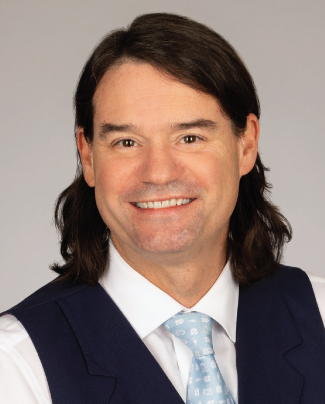
Ben Cochran and the motorcycle accident lawyers in Raleigh-Durham at Hardison & Cochran represent riders hurt by negligent drivers. If you have questions after a crash, their team is here to help.