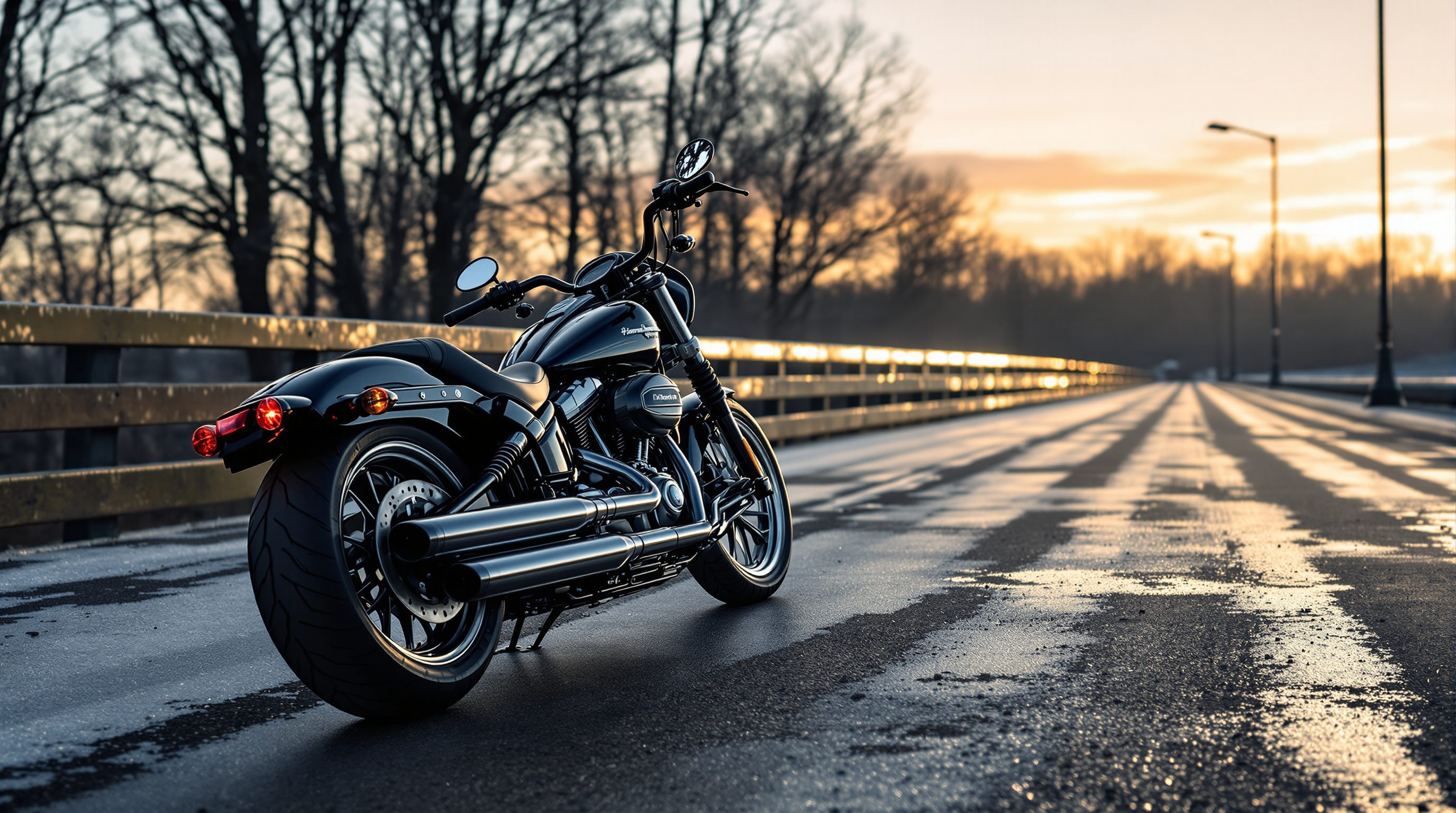
Black Ice, Bridge Decks, and Ice Storms: Winter Road Hazards in the Triangle
The Triangle winter is a tease. A stretch of fifty-five degree afternoons will have you convinced the bike never needs to see the garage, and then a single overnight low turns the roads you trust into a sheet of glass. Around Raleigh the danger is rarely a foot of snow. It is the thin, invisible ice that forms when a warm day flips to a freezing night, the freezing rain that glazes everything in a matter of hours, and the bridge decks that lock up while the road on either side is merely wet. If you are the die-hard winter commuter who refuses to park it, these are the hazards that will put you down, and they do not care how many miles you have.
Bridge decks and elevated ramps freeze first
There is a reason the signs say bridge ices before road. A bridge deck has cold air moving above it and below it, and no warm ground underneath to hold heat, so it drops to freezing well before the pavement on either end. Around the Triangle that means the Neuse River bridges, the overpasses on I-440 around the Beltline and out along I-40, and the long flyover ramps stitching together I-540 are the first surfaces to turn to ice on a cold morning. You can be rolling along on wet but grippy asphalt, hit the deck, and find yourself on a frictionless slab exactly where you least want a surprise, up in the air with nowhere to go. Approach every elevated structure near freezing as if it is already iced.
Black ice is the ice you never see
Black ice earns its name because it is clear. It forms when snowmelt, drizzle, or the damp from a warm afternoon refreezes into a thin transparent layer that looks exactly like wet or even dry pavement. It loves the shade, so it lingers on north-facing road cuts, under overpasses, and in the tree-shadowed corners on the lake roads long after the sun has dried everything else. The most dangerous window is the morning after a warm day. The Triangle's deceptive warm-then-freezing pattern is a black ice factory, and a rider who felt safe at four in the afternoon can meet glare ice on the same road at seven the next morning.
- ✓ Treat every bridge deck as ice near freezing. The Neuse River crossings and the Beltline overpasses lose grip first, while the road on either side still feels fine.
- ✓ Watch the shaded overpasses and ramps. Spots that never catch direct sun stay frozen all day, long after the open road has thawed.
- ✓ Respect the warm-then-freezing day. A mild Triangle afternoon that drops below freezing overnight refreezes every damp patch into black ice by dawn.
- ✓ Skip the ride during and after an ice storm. Freezing rain glazes the whole road surface, and two wheels have no honest answer for it.
- ✓ No lean and no hard brake on cold pavement. Cold tires give up grip fast, and a surprise glaze mid-corner turns into a low-side before you can react.
Ice storms are a real Triangle event, not a rumor
Central North Carolina sits in the zone where winter storms arrive as freezing rain rather than snow. An ice storm can coat the roads, the trees, and the power lines in a glaze in just a few hours, and it brings down limbs and knocks out power across Wake County most winters. Cars slide through intersections and off ramps in those conditions. A motorcycle simply cannot operate on glare ice, and no amount of skill changes the physics. When the forecast calls for freezing rain, the ride is over before it starts. This is the one hazard where the only safe move is to not be out there.
When you do go down, North Carolina law is unforgiving
If a winter crash happens, remember what you are up against. North Carolina follows pure contributory negligence, so if the insurance company can pin even one percent of the blame on you, arguing you never should have been riding in those conditions, your entire claim can be barred. That makes documentation everything. If you are hit by another driver on an icy morning, photograph the ice, the bridge deck, the shaded ramp, and the exact spot, and get the conditions on record before they melt. North Carolina is a fault state with no required PIP, so your health insurance, any MedPay, the at-fault driver, and your UM/UIM coverage are what carry you, and you generally have three years to bring an injury claim. None of that helps if you cannot beat back the argument that the ice was your fault.
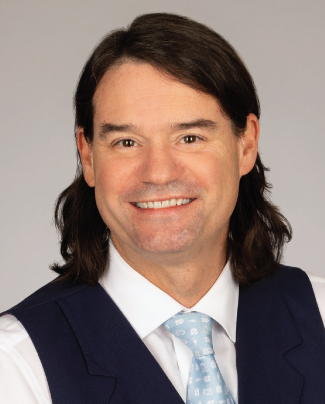
Led by Ben Cochran, Hardison & Cochran in Raleigh-Durham fights for injured motorcyclists. Reach out to their motorcycle accident lawyers in Raleigh-Durham anytime you need real answers.