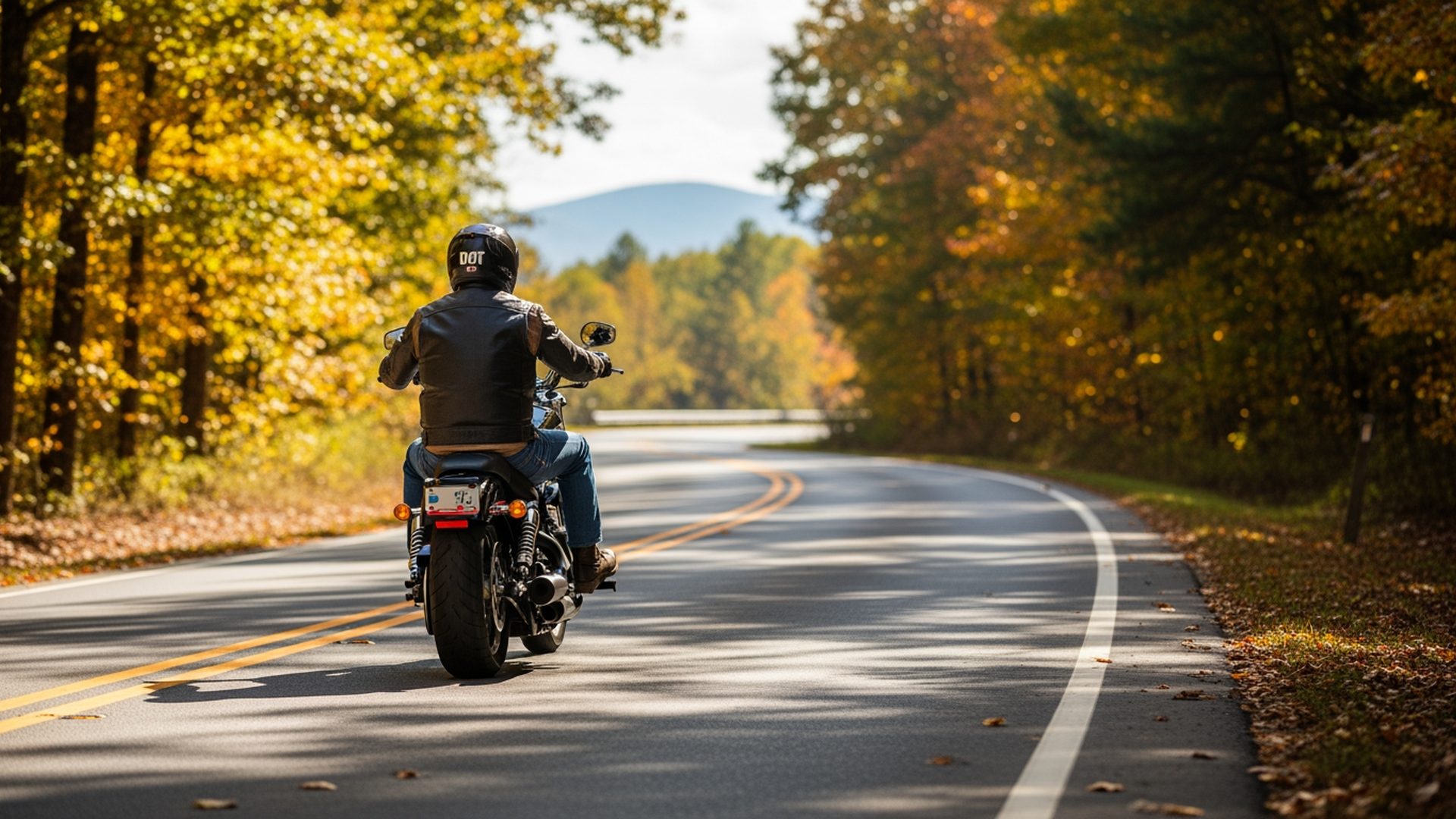
Best Motorcycle Rides Near Raleigh (and Their Hidden Risks)
The Triangle is built for riding. Mild weather most of the year, rolling Piedmont back roads within an hour of downtown, and the Blue Ridge waiting a half-day west when you want mountains. The same roads that make Raleigh a rider's town also carry risks that catch too many riders off guard, and North Carolina law adds a twist most people never think about until they are already hurt.
The Haw River Run and Saxapahaw
Point the bike west of Chapel Hill toward Saxapahaw and you find one of the prettiest short runs in the Triangle. The two-lane roads tracing the Haw River wind past old mill country, tree-tunneled curves, and the little village at Saxapahaw that makes a perfect turnaround. In fall the hardwoods along the river light up and the whole ride feels a world away from I-40. The catch is that these are narrow rural roads with no shoulder, blind driveways feeding onto the pavement, and gravel and wet leaves collecting right in the curves where you least want to lose traction. Ride them like a car could be waiting around every bend, because one often is.
The Uwharrie Backroads
Head southwest toward the Uwharrie National Forest and the Piedmont finally gives you real elevation. The back roads threading through and around the Uwharries deliver tight curves, rolling grades, and a rhythm that keeps you leaned over for miles, all within easy reach of Raleigh for a full-day loop. Those same qualities are the risk. Blind crests and shaded curves hide oncoming traffic, loose stone washed onto the pavement, and slow-moving trucks and farm equipment. Deer step out at dusk without warning. The road rewards a smooth, patient pace and punishes anyone who treats it like a racetrack.
The Falls Lake and Jordan Lake Loops
When you want scenery without a long haul, the roads circling Falls Lake north of Raleigh and Jordan Lake to the southwest give you water views, canopy roads, and easy pace within thirty minutes of downtown. They are a favorite quick escape after work or on a slow Sunday. The danger on these loops is exactly what makes them charming. They are busy on weekends with boat trailers, cyclists, and drivers watching the water instead of the road. Recreation traffic brakes late, turns wide, and pulls out of park entrances without ever seeing a bike. Relaxed is not the same as safe.
US-64 East Toward the Coast
For distance and open road, run US-64 east out of the Triangle and watch the sprawl give way to farm country, small towns, and long straight stretches pointing toward the coast. It is a favorite for riders who want miles under them without the interstate grind. US-64 is also a fast, multi-lane corridor packed with turning traffic, driveways, and intersections where drivers pull out without ever seeing a motorcycle. The danger here is not curves. It is cross traffic and left-turning cars, the single most common way a rider gets taken down.
The Blue Ridge Parkway and the NC Mountains
When you have a full day and the itch for real mountains, aim west for the Blue Ridge Parkway. The Parkway and the roads that climb to it deliver the best motorcycling in the state: sweeping curves, big elevation, and long-range views that make the drive out worth every mile. Fall color on the Parkway is bucket-list riding. It also demands respect. Elevation brings sudden weather, fog, and cold, along with tight switchbacks, rock and gravel on the road, and stopped sightseers around blind corners. Fuel and daylight get scarce fast out there, so plan the ride, not just the destination.
The Hidden Risks Every Triangle Ride Shares
No matter which route you pick, North Carolina riding comes with a few constants worth planning around. Ride like the road is not looking out for you, because it is not.
- ✓ Deer and wildlife. Piedmont and mountain roads are thick with deer, especially at dawn and dusk, and a deer strike on a bike is a serious crash.
- ✓ Gravel and wet leaves. Rural roads and shoulders collect loose stone and fall leaves near curves and driveways, exactly where you least want to lose traction.
- ✓ Sudden weather. Afternoon storms build fast in the Piedmont, and mountain elevation can drop you into fog and cold in minutes. Watch the sky and get off the road early.
- ✓ The left-turn driver. The most common motorcycle crash is a car turning left across a rider's path, and it happens at Raleigh intersections every day.
- ✓ Beltline and interstate traffic. Low sun and constant congestion on I-40 and I-440 leave drivers rushed, distracted, and blind to a bike in the next lane.
Why a North Carolina Crash Hits Riders Differently
Here is the part most riders never see coming until it is too late. North Carolina is one of the very few states that still follows pure contributory negligence. If the insurance company can pin even one percent of the fault on you, you can be barred from recovering anything at all, no matter how badly the other driver was in the wrong. That single rule makes fault the whole ballgame for a North Carolina rider, and it is exactly why adjusters work so hard to blame the rider. On top of that, North Carolina requires drivers to carry only minimum liability coverage of 30/60/25, which can vanish before a serious crash is paid for, so your own uninsured and underinsured motorist coverage is a Triangle rider's real backstop. Every rider and passenger in the state must also wear a DOT helmet, no exceptions. It is worth checking your policy and your gear before your next ride, not after a crash. And if you do go down, North Carolina gives you three years from the date of the crash to file an injury claim.
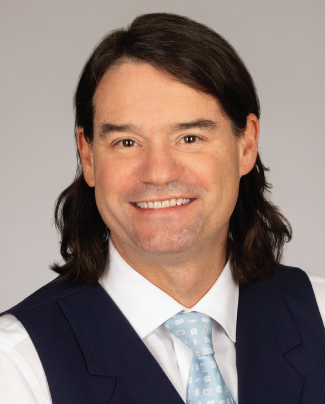
Ben Cochran and the motorcycle accident lawyers in Raleigh-Durham at Hardison & Cochran represent riders hurt by negligent drivers. If you have questions after a crash, their team is here to help.