
Who Pays Your Medical Bills After a Las Vegas Motorcycle Crash?
You go down on I-15 near the Spaghetti Bowl, the ambulance runs you to the trauma bay, and before the road rash even scabs over the paper starts landing. Transport, imaging, the ER, the follow-ups. In plenty of states there is an automatic bucket of insurance money that pays those bills right away, no argument about fault. Nevada is not one of those states. Here, nobody hands you a check the day after your crash, and knowing why is the difference between getting your care covered and drowning in statements.
Nevada Has No Automatic Bucket for Your Bills
Nevada is an at-fault, or tort, state. That one fact shapes everything about how your bills get handled. There is no personal injury protection requirement, so unless you bought MedPay on purpose, your own auto policy is not sitting there ready to pay for the ER visit. The driver who pulled left in front of you on Boulder Highway is legally responsible for your injuries, but responsible is not the same as paying today. Their insurer does not cut checks to hospitals as the bills come in. It pays once, at the end, when the whole claim resolves. That gap between the day you are hurt and the day the case settles is where riders get squeezed, and the insurer is happy to let you sit in it.
Your Health Insurance Pays First
This surprises a lot of riders, but your own health insurance is your front line. Use it. Give the hospital and every provider your health plan card the same way you would for any other injury or illness. Your plan negotiates the rates down, pays its share, and keeps the bills from going to collections while your claim is still open. Riders sometimes refuse to hand over their health insurance because the crash was not their fault, then watch the full undiscounted charges pile up. Do not do that. The at-fault driver still owes you for those medical expenses in the end. Running the bills through your health plan first simply keeps you out of collections and often lowers what has to be repaid later.
Where MedPay Fits In
Medical payments coverage, or MedPay, is optional in Nevada, and if you added it to your motorcycle or auto policy you have a useful tool. MedPay pays medical bills up to your limit regardless of who caused the crash, with no deductible and no fault fight. It is usually a modest amount, a few thousand dollars, but it can cover a co-pay, a deductible, or an early bill before anything else kicks in. If you are not sure whether you have it, this is one more reason to read your declarations page before you ever need it. If you do have it, tell your lawyer early, because how MedPay coordinates with your health plan and your final settlement matters.
The At-Fault Driver Pays Last, Not First
Here is the part the insurance company will never volunteer. The at-fault driver's liability coverage is real money, but it arrives at the end of your case, not the beginning. You, or your lawyer, build the claim, document the injuries, total up the bills and the lost wages and the pain, and then negotiate a settlement. Only when that number is agreed to does their insurer pay. That is why a fast offer in the first two weeks is almost always a lowball. It lands before anyone knows what your recovery really costs. Nevada gives you two years from the date of the crash to file, so there is no reason to grab the first number to make the calls stop.
UM and UIM Fill the Gaps
Nevada's minimum liability limits are just 25/50/20. That is 25,000 dollars for one person's injuries. A serious motorcycle crash blows past that before you leave the hospital, and this valley is full of tourist drivers and uninsured drivers who carry the bare minimum or nothing at all. That is where uninsured and underinsured motorist coverage becomes your real backstop. If the at-fault driver has no insurance or not nearly enough, your own UM/UIM steps in and pays for the injuries their coverage cannot. If you ride in Southern Nevada without it, you are betting your recovery on a stranger carrying enough insurance, and that is a bad bet.
How to Protect Yourself and Your Care
The system does not reward the rider who waits and hopes. It rewards the one who moves early and keeps the paper straight.
- ✓ Treat now, using your health insurance. Get the care your body needs and let your health plan pay the bills as they come, so nothing goes to collections while the claim is open.
- ✓ Find your MedPay before you need it. Check your declarations page for medical payments coverage, and tell your lawyer if you have it so it is used the right way.
- ✓ Do not accept a fast liability offer. The first number almost always lands before your injuries are fully known, and once you sign the release the claim is usually over.
- ✓ Keep every bill, EOB, and record. The paper trail is what proves the value of your claim when it is time for the at-fault insurer to pay.
- ✓ Confirm your UM/UIM limits. In a valley full of uninsured and minimum-limit drivers, this coverage is often the only thing that actually pays for a serious crash.
Liens and Subrogation: Who Gets Paid Back
There is a catch nobody warns riders about. When your health plan or a hospital pays for your care, they often have a right to be paid back out of your settlement. A hospital can file a lien against your recovery, and a health plan can assert subrogation, meaning it wants reimbursement once the at-fault driver's insurer pays. Left alone, these can eat a shocking share of your settlement. This is not a reason to skip care. It is a reason to have someone tracking every lien and negotiating them down before you ever see your check. A good attorney fights these repayment claims just as hard as the liability claim itself, and the difference in your net recovery can be large.
Do Not Wait for the Settlement to Get Care
The single worst move after a Las Vegas crash is to sit at home hurting because you are afraid of the bills. Gaps in treatment do not just hurt your body, they hand the insurer an argument that you were not really injured. Get seen, follow the treatment plan, and let the coverage stack sort itself out in the right order. Nevada makes you build your own path to getting paid, and the riders who understand that path, health insurance first, MedPay and UM/UIM in support, and the at-fault driver at the end, are the ones who come out whole.
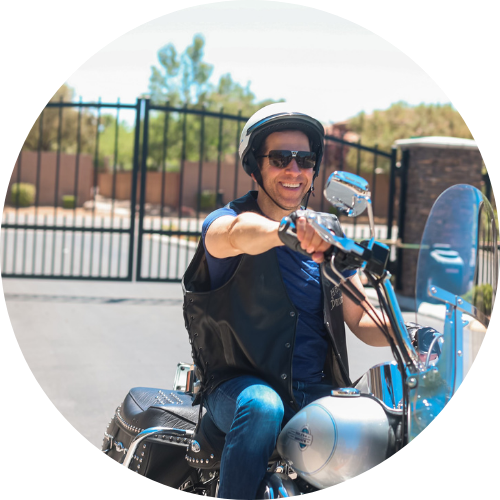
Eric Blank and the Las Vegas motorcycle injury attorneys at Eric Blank Injury Attorneys represent riders hurt by negligent drivers. If you have questions after a crash, their team is here to help.