
Total Loss: How Nevada Insurers Value Your Wrecked Motorcycle
After a serious crash on I-15, the Beltway, or a weekend run out to Red Rock Canyon, you may get a call you did not expect. The insurer is not offering to fix your motorcycle. They are calling it a total loss and putting a number on the bike you loved, and that number is almost always lower than it should be. A total loss is not the end of the negotiation. It is the start of one, and you have every right to push back with better evidence.
What Actual Cash Value Really Means
When repair costs approach or exceed what the bike is worth, the insurer declares a total loss and pays you the actual cash value, or ACV, instead of repairing it. ACV is meant to be what your motorcycle was worth the moment before the crash, not what you paid for it and not what a new one costs. Insurers build that figure from recent sale prices of comparable bikes, then adjust for mileage, condition, and options. The trouble is that the adjustment always seems to run one direction, and the burden of proving your bike was worth more falls on you.
How the Comps Game Works
The whole valuation rests on comparables, and comparables can be cherry-picked. An insurer may lean on listings for higher-mileage bikes, rougher condition, or a different trim, then present the low average as fair market value. You can challenge that directly with better comps of your own, and every comp you provide that beats theirs pushes the ACV up. This is the single most effective place for a rider to move the number.
- ✓ Pull local same-model listings. Las Vegas and Nevada prices for a clean bike often beat the national numbers the insurer used.
- ✓ Document your condition. Service records, new tires, and a clean title support a higher tier than the insurer assumed.
- ✓ Itemize aftermarket parts. Exhaust, seats, bags, engine work, and custom paint add value a generic comp ignores unless you prove it.
- ✓ Claim your damaged gear. A crashed DOT helmet, torn jacket, and shredded gloves are compensable losses, not freebies you eat yourself.
Salvage Titles and the Buy-Back Question
If you want to keep the wrecked bike to rebuild or sell for parts, the insurer will deduct a salvage value from your payout and you keep the motorcycle with a branded title. In Nevada, a vehicle is generally branded salvage when the damage exceeds roughly 65 percent of its value. A salvage or rebuilt title permanently reduces what the bike can ever sell for, so weigh the buy-back carefully against a clean total-loss payout before you decide.
Disputing a Lowball and the Gap Trap
When the offer comes in low, do not treat it as final. Ask for the insurer's valuation report and the specific comps behind it, then answer in writing with your own documentation, which is far harder to brush off than a phone complaint. Watch the coverage math too. Nevada's minimum property-damage liability is just 20,000 dollars, so if an at-fault driver carries only the minimum and your bike is worth more, their coverage may not cover the full loss, and your own collision or underinsured motorist property coverage can matter. And if you financed the bike, you may owe more than the ACV. Gap insurance covers that difference between the payout and your loan balance, and without it you can be left paying for a motorcycle you no longer own.
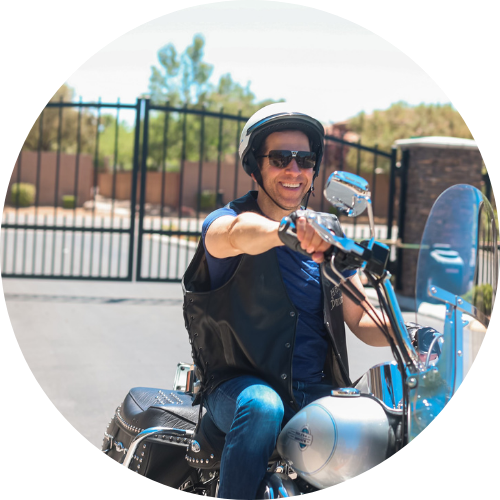
Led by Eric Blank, Eric Blank Injury Attorneys in Las Vegas fights for injured motorcyclists. Reach out to their Las Vegas motorcycle accident attorneys anytime you need real answers.