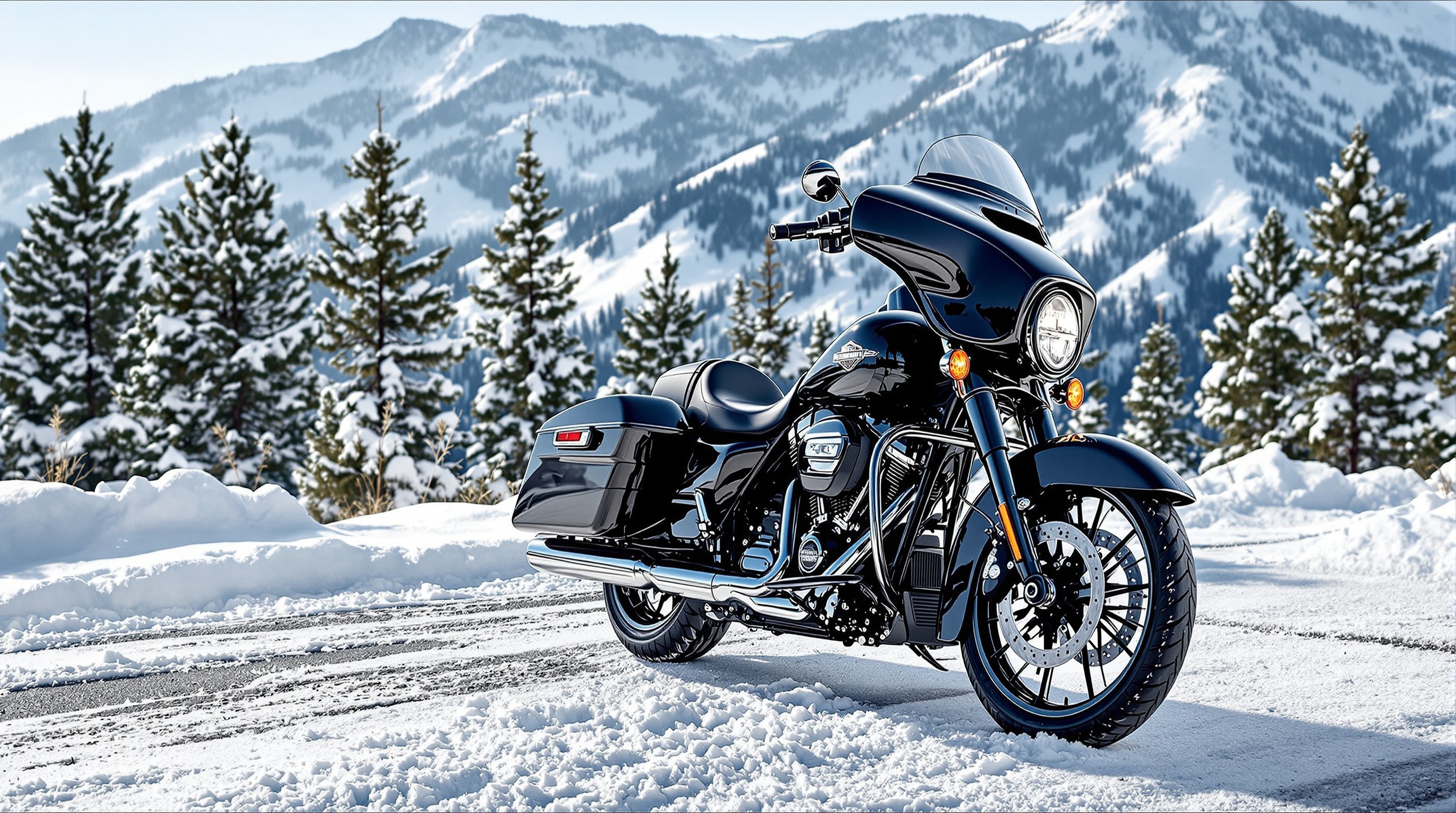
Warm Valley, Icy Canyons: Winter Riding Up Mount Charleston and the Canyons
This is the Las Vegas trap that catches even experienced riders. You wake up to a 60 degree, cloudless morning in the valley, the kind of day that begs for a ride, and the mountains looming to the west look like the obvious destination. What the valley floor does not tell you is that Mount Charleston and the canyons above it are a different world in winter. Drive up Kyle Canyon on SR-157 or Lee Canyon on SR-156 in January and you can climb from short sleeves into snow, slush, and black ice in under an hour. The road that felt perfect at the bottom can be a sheet of ice in the shade of a switchback near the top, and a bike has no business finding that out by surprise.
The Altitude Does the Damage
The whole danger of these rides comes down to how much elevation you gain and how fast. The valley floor sits around 2,000 feet. Kyle Canyon climbs toward the village and the trailheads near 7,000 to 8,000 feet, Lee Canyon runs even higher toward the ski area, and Charleston Peak tops out at 11,916 feet. Air cools by roughly three to five degrees for every thousand feet you climb, so a valley that reads 60 can put the upper canyon well below freezing while you are still riding in the same jacket you left home in. That single fact drives everything else. Where the temperature sits below freezing and the sun does not reach, water on the road does not stay water. It becomes ice, and often the kind you cannot see.
Black Ice on the Shaded Switchbacks
Black ice is the reason a warm-morning canyon run turns dangerous so fast. It forms where snowmelt or seepage runs across the road and refreezes in shade, and canyon switchbacks are full of shade. The sunlit straight you just rode can hand off to a north-facing hairpin that has not seen direct light in days, and the pavement there looks wet at most. It is not wet, it is frozen, and a motorcycle finds no warning and no grip. You cannot brake, steer, or lean on black ice, and the front end simply lets go. This is not a hazard you ride through with skill. It is a hazard you avoid by not being there when it exists, which in winter means the shaded upper canyons early and late in the day.
Snow, Slush, and Sand Left on the Road
Ice is not the only thing waiting up top. After any winter storm the canyon roads carry packed snow and slush long after the valley has dried out, and both rob a bike of the traction it depends on. Crews sand and cinder the pavement to help cars, and that grit is its own hazard on two wheels, especially in corners and at the edges of the lane where it collects. Snowmelt runs across the road at midday and refreezes as the sun drops behind the ridge. What was a clear lane on the way up can be iced over on the way down a couple of hours later. The mountain changes through the day, and a rider who only checked conditions at the bottom is riding on old information.
The Cold Itself Is a Hazard
Even where the road stays clear, the cold up the mountain works against you. Cold hands lose the fine control that braking and clutch work demand. Cold tires never reach the temperature they need to grip, so the traction you count on in the valley simply is not there on frozen canyon pavement. Wind chill climbs with your speed and the altitude, and the early stage of hypothermia dulls judgment and reaction time before you feel truly in trouble. A rider who left the valley comfortable can be stiff, slow, and cold-numbed by the time the road gets technical near the top. Dress for the summit, not the valley, and understand that the cold is degrading you and the bike at the same moment the road is asking the most of both.
How to Ride the Canyons in Winter Without Getting Caught
None of this means the mountain is off limits all winter. It means you ride it with the altitude and ice in mind instead of the valley weather that fooled you into starting. A few habits keep a warm-morning run from turning into a crash.
- ✓ Check the mountain forecast, not the valley's. Look up conditions for Kyle Canyon, Lee Canyon, and the Mount Charleston elevations specifically. A dry, warm valley tells you nothing about ice at 8,000 feet.
- ✓ Treat every shaded corner as iced. Assume north-facing switchbacks and anything under trees or rock walls holds black ice. Slow before the shade, not in it, and keep your inputs gentle and early.
- ✓ Dress for the summit. Layer for temperatures well below what the valley reads, cover your hands and neck, and stop and warm up before your control starts to fade.
- ✓ Turn around without ego. The moment you hit snow, slush, or ice you cannot read, the ride up is over. There is no prize for reaching the top on a bike in January.
- ✓ Remember the road changes by the hour. A clear climb can ice over by the descent as the sun drops behind the ridge. Plan to be down off the mountain well before the afternoon shade takes over.
When a Canyon Crash Is Not Your Fault
Sometimes the ice or the cold is not the real cause of a canyon crash. A driver crosses the center line on a blind switchback, tailgates you down a grade, or forces you wide in a corner, and you go down. When that happens, Nevada's rules shape what comes next. This is a modified comparative negligence state with a 51 percent bar, so if the other driver's insurer can pin more than half the blame on you, you recover nothing. Expect the adjuster to argue that a motorcycle simply should not have been up an icy canyon in winter, using the conditions to shift fault onto you. Nevada is also an at-fault, tort state with no required personal injury protection, minimum liability of only 25/50/20, and a heavy share of uninsured and tourist traffic, which makes your own uninsured and underinsured motorist coverage the backstop that matters most. You have two years from the crash to bring a claim, and road-defect claims against a city, county, or the state carry shorter notice deadlines, so what looks like a weather wreck deserves a hard look at who was really at fault.
Led by Eric Blank, Eric Blank Injury Attorneys in Las Vegas fights for injured motorcyclists. Reach out to their motorcycle accident lawyers in Las Vegas anytime you need real answers.