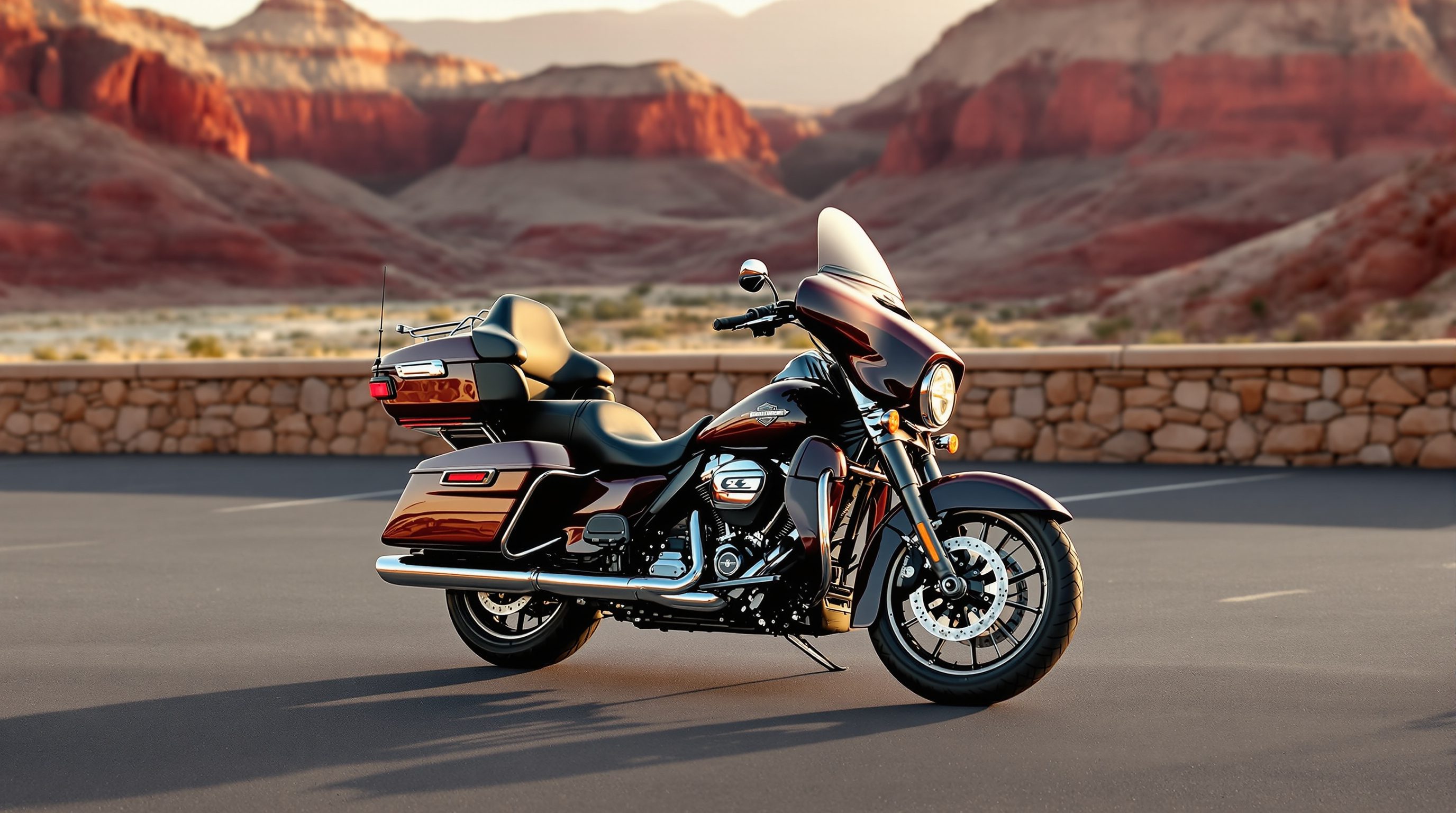
Passenger Injuries on a Motorcycle in Nevada: Who Pays?
You climbed on the back for a run out Boulder Highway or a loop around the Beltway, and now you are in the emergency room while somebody else is arguing over whose fault it was. If you were a passenger on a motorcycle in a Nevada crash, you are in a stronger legal position than almost anyone else on the road, and yet passengers are the people who most often walk away with nothing because they did not know what they were owed. Here is how it actually works in Las Vegas and across Clark County.
Why a Passenger Is Almost Never the One at Fault
Nevada is a modified comparative negligence state with a 51 percent bar. Your recovery drops by your share of the blame, and if someone pins more than half the fault on you, you collect nothing. That rule is the insurance industry's favorite weapon against riders, because an operator can be accused of speeding, lane splitting, or riding too aggressively. A passenger has none of those levers to pull. You were not steering, not braking, not choosing the lane or the speed. Short of doing something wild like grabbing the bars, a back-seat rider has almost no way to contribute to a crash. So the 51 percent bar that haunts operators barely touches you, which is exactly why passenger claims are usually the cleanest on the board.
The Sources That Can Pay Your Claim
Nevada is an at-fault, tort state. There is no no-fault system and no required personal injury protection, so nobody is going to hand you money just because you were hurt. You have to make a claim against the parties responsible, and as a passenger you may have more than one target. Think of it as layers of coverage that can be reached in turn or even stacked together.
- ✓ The at-fault driver's liability policy. If a car turned left across your path on the Strip or ran a light on Boulder Highway, that driver's bodily injury coverage is the first place to look. Nevada minimums are only 25/50/20, and that per-crash figure has to cover everyone hurt.
- ✓ The motorcycle operator's liability coverage. If the rider you were with was partly or fully to blame, their policy covers you as an injured passenger. This is the awkward one when the operator is a friend or partner, and we cover that below.
- ✓ Uninsured and underinsured motorist coverage. When the at-fault driver has no insurance or not enough, UM and UIM become your real backstop. You may be able to claim under the operator's UM or UIM, and sometimes under your own auto policy even though you were on a bike.
- ✓ MedPay, if anyone carried it. Medical payments coverage is optional in Nevada, but if the operator carried it, it can pay early medical bills regardless of who was at fault while the larger claim plays out.
When the Driver Is Your Friend or Partner
This is the part that stops people from making a legitimate claim, and it costs them dearly. If your buddy or your spouse was operating the bike and made a mistake, the idea of filing a claim feels like suing someone you love. It is not. You are not going after their savings or their house. You are making a claim against the insurance policy they pay for every month precisely so that this coverage exists when someone gets hurt. The check comes from the insurer, not from your friend's pocket. Refusing to file does not protect them, it just hands the insurance company a free pass and leaves you stuck with medical bills that were never yours to carry. A good rider protects the people on the back of the bike, and letting the coverage do its job is part of that.
Stacking Sources When One Policy Is Not Enough
Here is where passengers gain the most and lose the most. A serious motorcycle crash can produce hospital bills that blow past a 25,000 dollar per-person or 50,000 dollar per-crash limit in a single surgery. When the at-fault driver carries only the state minimum, that policy runs dry fast, and if two people were on the bike, they may be splitting the same small pool. That is why identifying every available layer matters so much. You may recover from the at-fault driver, then reach the operator's coverage, then tap UM or UIM on top when the first policies fall short. Getting the order and the combination right is technical work, and it is exactly the kind of thing an insurer hopes you will not think to do.
Do Not Let the Clock or the Adjuster Decide for You
Nevada gives you two years from the date of the crash to file a personal injury claim, and the evidence that proves who was at fault, camera footage, witness memories, the scene itself, fades long before that. Meanwhile the adjuster who calls you sounds friendly and wants a quick recorded statement and a fast, small check. As the passenger with the cleanest claim on the crash, you have the most to lose by settling before anyone has added up your future medical needs. Get the full picture first, map out every source of coverage, and only then talk numbers.
Have questions after a wreck? Eric Blank and the Las Vegas motorcycle injury attorneys at Eric Blank Injury Attorneys (ericblanklaw.com) review rider claims and explain your options.