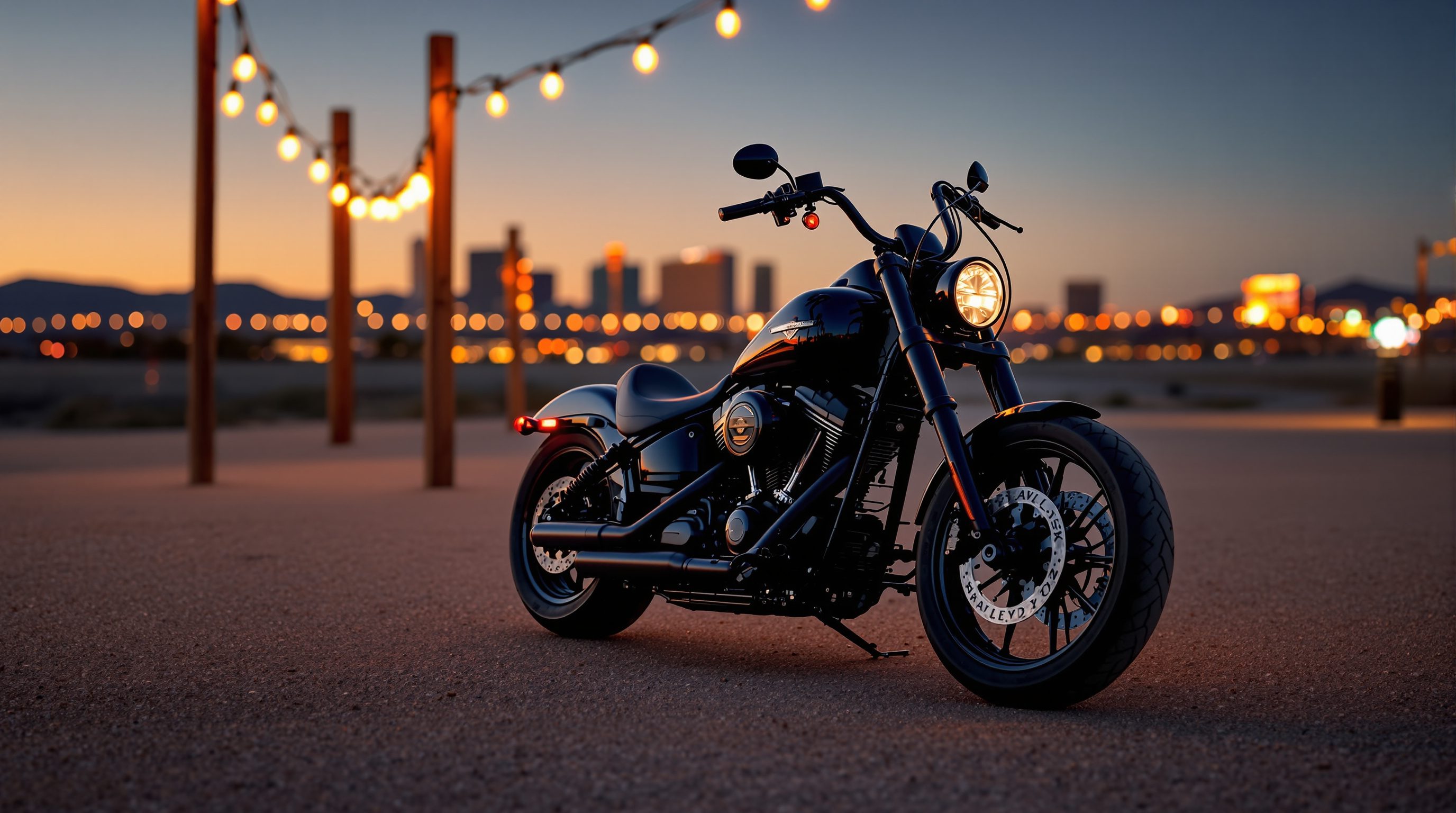
Bike Nights and Rider Events Around Las Vegas and Southern Nevada
One thing riders who move to Las Vegas figure out fast: the season basically never ends. While friends back east are draining their tanks for storage, you are still rolling out to a Tuesday meetup in a warm valley night. The Southern Nevada riding scene is one of the best reasons to own a bike here, a year-round mix of bike nights, group runs, and charity rides that turns a solo hobby into a community. Here is what that scene looks like and how to be part of it without becoming a claim.
Why the Scene Runs All Year Here
Most riding towns get a few good months. Las Vegas gets most of the calendar. The valley floor stays rideable deep into what other places call winter, so the bike nights and weeknight meetups that dry up elsewhere just keep going here. When the summer floor turns into a furnace, riders climb, chasing cooler air up toward Mount Charleston, and shift to early mornings and evenings. The upshot is a scene with almost no true off-season, which is why the Southern Nevada rider community is as tight and as busy as it is. There is nearly always something rolling within an easy ride of the valley.
The Rides That Make This Place Special
Bike nights are where you meet people, but the runs out of town are where the scene earns its reputation. Southern Nevada is ringed by some of the best short-haul riding in the country, and the same four destinations come up again and again for good reason.
- ✓ Red Rock Canyon Scenic Loop. The go-to morning run, close to town with sweeping curves and red-rock walls. It is popular, patrolled, and busy with cyclists and tourists, so it rewards a smooth, unhurried pace.
- ✓ Mount Charleston on SR-157 and SR-156. The summer escape, climbing from desert heat into pine and cool air. The elevation change is the whole point, and it also means shaded, sometimes gritty corners on the way up.
- ✓ Valley of Fire on SR-169. A longer haul northeast into brilliant red sandstone, one of the most photogenic rides in the state. Fuel up and hydrate first, because services thin out fast once you leave the interstate.
- ✓ Lake Mead and the shoreline roads. Open, flowing pavement with water views, and an easy loop to pair with a run out Boulder Highway. Wind off the lake and afternoon traffic are the things to watch.
Group-Ride Etiquette That Keeps Everyone Upright
A group ride is more fun and, done right, safer than riding alone, but only if everyone rides the same playbook. The habits are simple and they matter. Ride in a staggered formation so each rider has space and an escape path, and never ride side by side in a single lane. Hold a pace the least experienced rider in the group can manage, because a group is only as safe as its weakest link and nobody should feel pushed past their skill. Keep gaps that let you brake and see, use hand signals for hazards and turns, and agree on the route and the fuel stops before you roll so nobody is running on empty or racing to catch up. Ride your own ride inside the group, and let the ego stay in the parking lot.
A Group Ride Does Not Rewrite the Rules
Here is the part riders forget when the whole crew is out having a great day. If a car turns into your group at an intersection, or someone goes down on a debris-strewn canyon corner, Nevada law treats it like any other crash. This is an at-fault state with no no-fault system, so the person who caused it is responsible, and the same modified comparative negligence with a 51 percent bar still applies, meaning an insurer will still try to hang blame on the riders. The universal helmet law applies on a charity run exactly as it does on a solo commute. Being in a pack does not add coverage or change who pays. What protects you is the coverage you carry, and with so many uninsured and tourist drivers in the valley, your uninsured and underinsured motorist coverage is still the rider's real backstop out there.
Build the Community, Ride It Smart
The Las Vegas scene is worth showing up for. Bike nights and charity runs are how riders here look out for each other, raise money for good causes, and keep the community strong through a season that never really quits. Enjoy all of it, ride the group rides with discipline, keep your gear and your bike ready, and keep your insurance current. And if a ride ever ends in a crash, remember Nevada gives you two years to file an injury claim, but the smart move is knowing your coverage long before you need it.
Led by Eric Blank, Eric Blank Injury Attorneys in Las Vegas fights for injured motorcyclists. Reach out to their Las Vegas motorcycle injury attorneys anytime you need real answers.