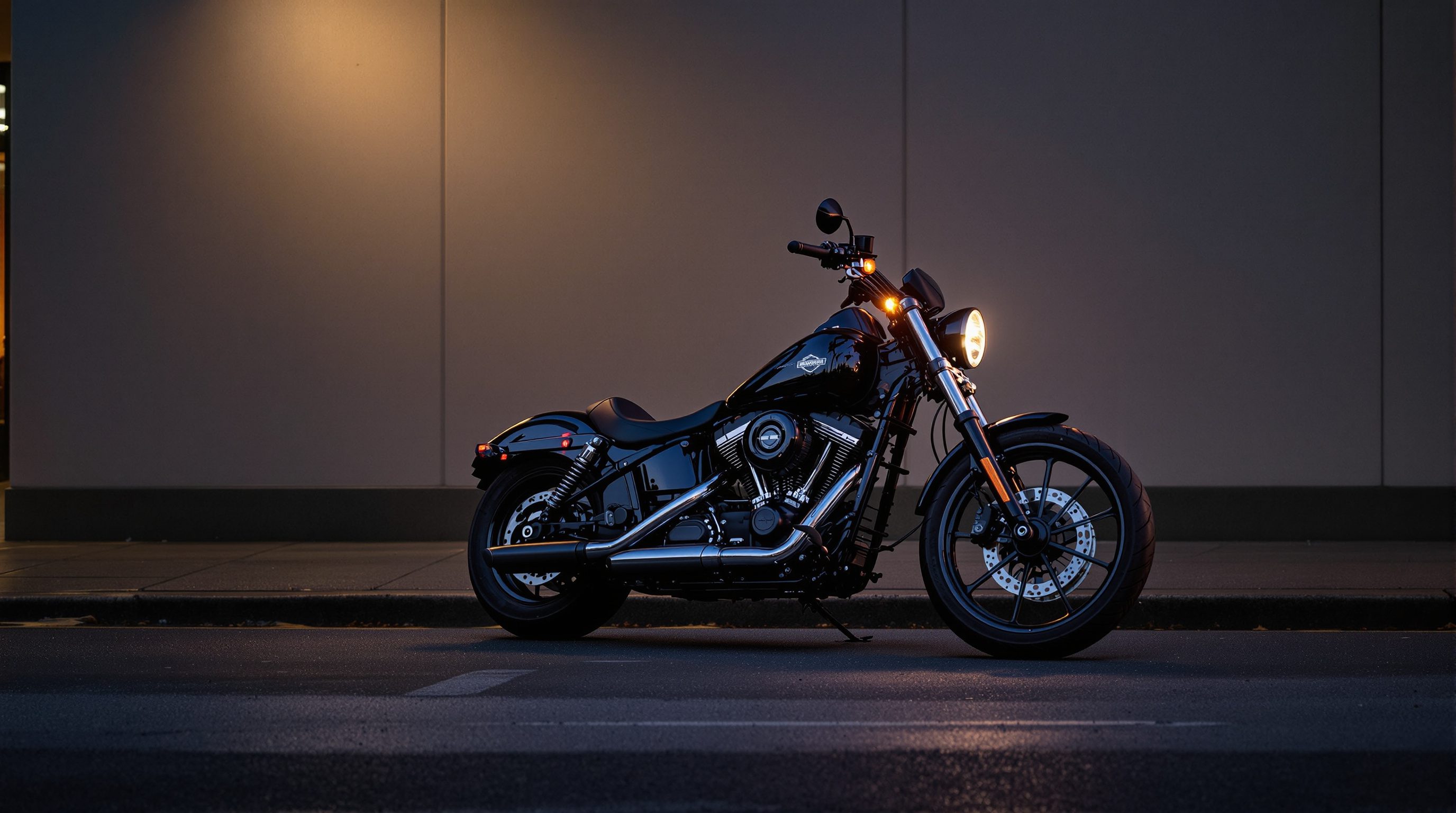
Rideshare Crashes and Motorcyclists in Seattle: Who Pays When an Uber Hits You
Downtown Seattle, the Aurora corridor on SR-99, and the streets feeding I-5 are thick with rideshare cars now. Every person who does not want to drive after dinner or drinks pulls out the app, and Uber and Lyft drivers circle from Belltown to the U District hunting for the next ping, eyes on a screen instead of the road. If one of them cuts across your lane or clips you at a light downtown, your first question is simple. Who pays? The answer turns on what the app was doing at the exact moment of the crash.
Washington Is an At-Fault State
Start with the ground rule. Washington is an at-fault, or tort, state. There is no no-fault system, and personal injury protection is optional rather than required. The driver who caused the crash, and their insurance, pays for the harm. So when a rideshare driver hits you, you are pursuing the coverage that sits behind the person at fault. With Uber and Lyft, that coverage can be far bigger than a normal driver's policy, but only in the right phase.
The Rideshare Coverage Phases
Uber and Lyft both carry large commercial policies, but the amount available swings hard depending on what the driver was doing. There are three phases, and the seams between them are where riders get hurt.
- ✓ App off. The driver is not working, so only their personal auto insurance applies, which in Washington may be as low as the 25/50/10 minimum.
- ✓ App on, waiting for a ride. The driver is logged in with no passenger yet, and Uber and Lyft provide only limited liability coverage in this phase.
- ✓ On the way to a rider or on a trip. From the moment the driver accepts a ride until drop-off, a $1 million third-party liability policy is in force.
Why the Coverage Gap Trips Up Riders
The dangerous zone is that middle phase and the seams between them. A driver logged in and circling downtown for a fare is only lightly covered. A driver who just dropped a passenger near Pike Place and flipped the app off is back on personal insurance. Rideshare companies have every reason to argue the app was in whatever phase pays least. That is why the driver's app data matters. It shows exactly what phase they were in, second by second, and it is the key that unlocks the right policy. Getting to it fast, before it is buried, can multiply what your claim is worth.
Documenting Fault Under Pure Comparative Negligence
None of that coverage helps if the insurer pins the crash on you. Washington follows pure comparative negligence, so your recovery is reduced by your share of fault but never barred outright, even for a rider found mostly at fault. That is more forgiving than the 51 percent-bar states, but it also means the insurer fights over every percentage point, because each one it hangs on you shrinks the check. A distracted rideshare driver gives you a strong fault case, but you still have to prove it. Expect claims that you were splitting lanes or riding aggressively in stop-and-go traffic on I-5, suggestions that the rain and dark made the crash partly your fault, and pressure to give a recorded statement that gets twisted later. Solid documentation, including the driver's own app data, keeps your fault share low.
When the Rideshare Driver Has Too Little
Sometimes the app was off, the driver carried only minimum coverage, and the phase math leaves you short. This is where your own policy matters. Washington requires that uninsured and underinsured motorist coverage be offered to you, your backstop against the thinly insured and out-of-state drivers all over the metro. If the at-fault rideshare driver cannot cover your injuries, your UM and UIM coverage may fill the gap. Rideshare claims turn on data that does not sit around, so even though Washington generally gives you three years to file, the proof that decides which coverage applies can vanish long before that.

Janelle Bailey and the motorcycle accident lawyers in Seattle-Tacoma at Washington Injury Law represent riders hurt by negligent drivers. If you have questions after a crash, their team is here to help.